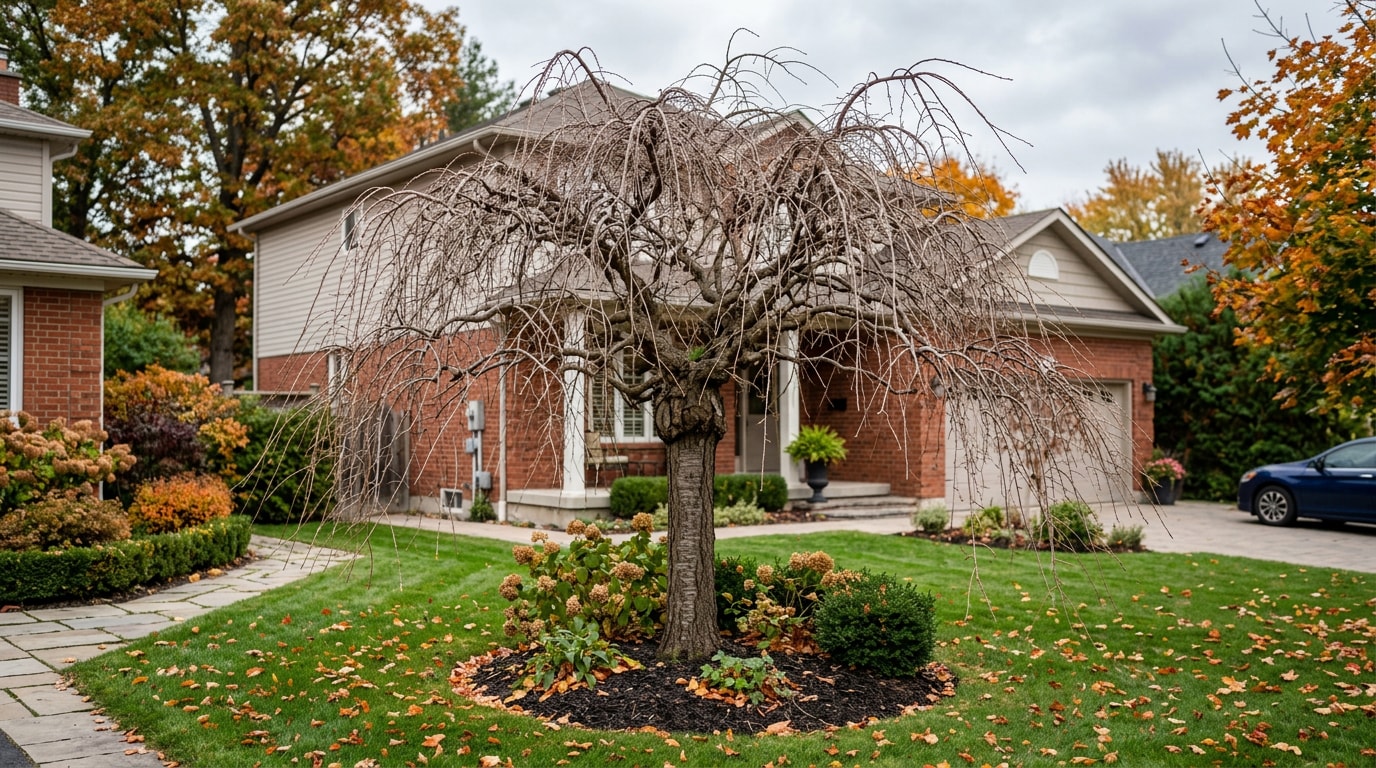
Figuring out how to kill a tree without cutting it down in East Aurora, NY usually comes down to three choices: girdling, targeted herbicide, or a slower DIY trick like copper nails or rock salt. Each one stops a tree from feeding itself, just on a different timeline and with different risk to your yard, your neighbors, and the law. We've watched every one of these play out on Erie County properties, so here's what actually works and what just wastes a season.
Girdling (Ring-Barking) a Tree
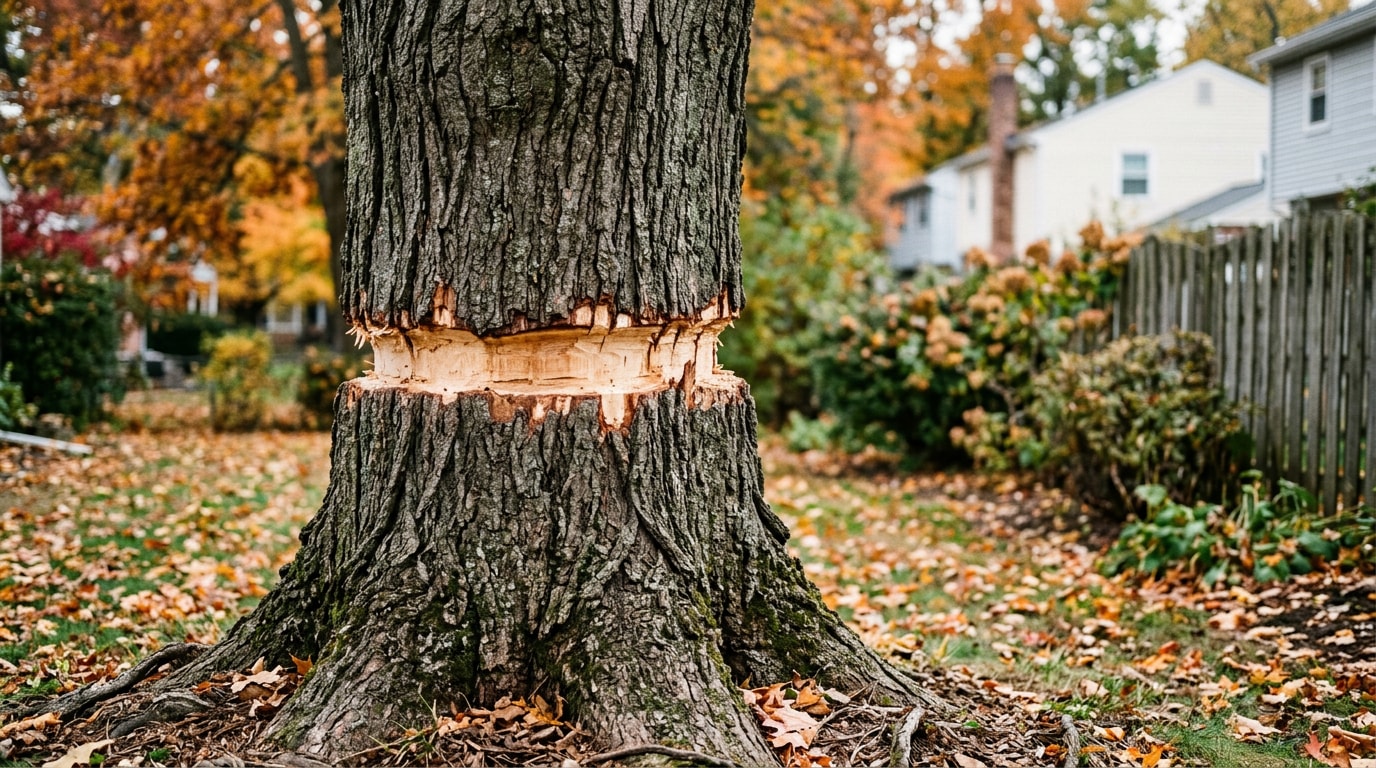
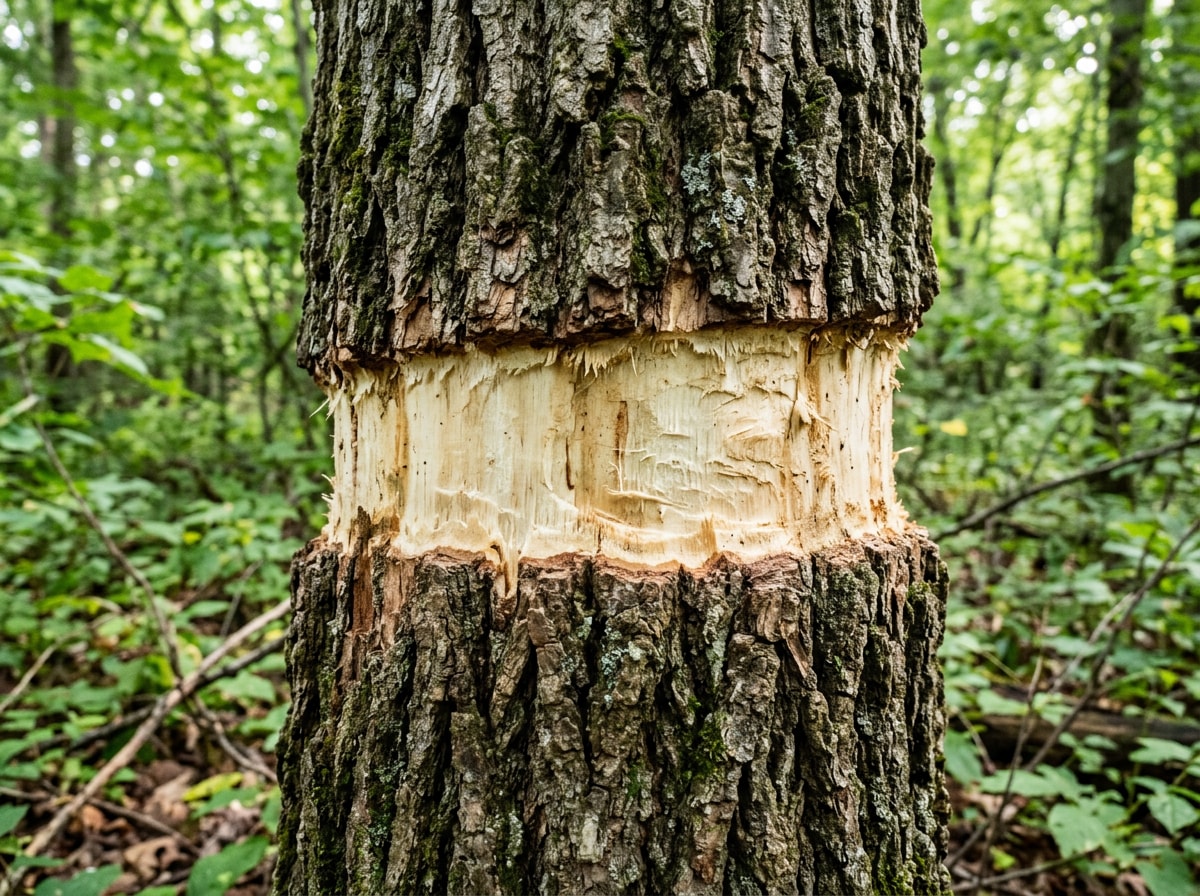
Girdling is where most homeowners start, mainly because it needs no chemicals, just a few hand tools and patience. You're cutting through the bark and the cambium layer underneath it in a complete ring around the trunk. That layer is the thin band of living tissue moving water and nutrients between the roots and the canopy, so once it's severed all the way around, the tree slowly starves.
Here's the basic process:
- Choose a cutting height 1 to 3 feet above the ground, where the trunk is easiest to access.
- Score through the bark down to the wood using a hatchet, drawknife, or girdling saw.
- Remove a band of bark 2 to 4 inches wide, making sure the cut goes all the way through the cambium.
- Continue the cut around the entire circumference of the trunk. A partial ring lets the tree heal and survive.
- Leave the wound exposed. Some people widen it slightly to slow bridging regrowth.
If you don't already own a drawknife or girdling saw, our tool breakdown for East Aurora homeowners covers what's worth buying versus renting for a one-time job.
Girdling isn't fast. In the first few weeks, you'll notice little change. By month two or three, leaves often yellow or drop early. Full dieback can take six months to two years depending on species, trunk diameter, and the tree's overall health. On the mature maples and oaks we see most often around East Aurora, the slower end of that range is the norm, not the exception.
Using Chemical Herbicides to Kill a Tree
When speed matters more than avoiding tools, herbicides are the fastest route to killing a standing tree. Most products rely on triclopyr or glyphosate, and which application method you use depends on trunk size and how much bark you're willing to disturb.
Basal Bark Treatment
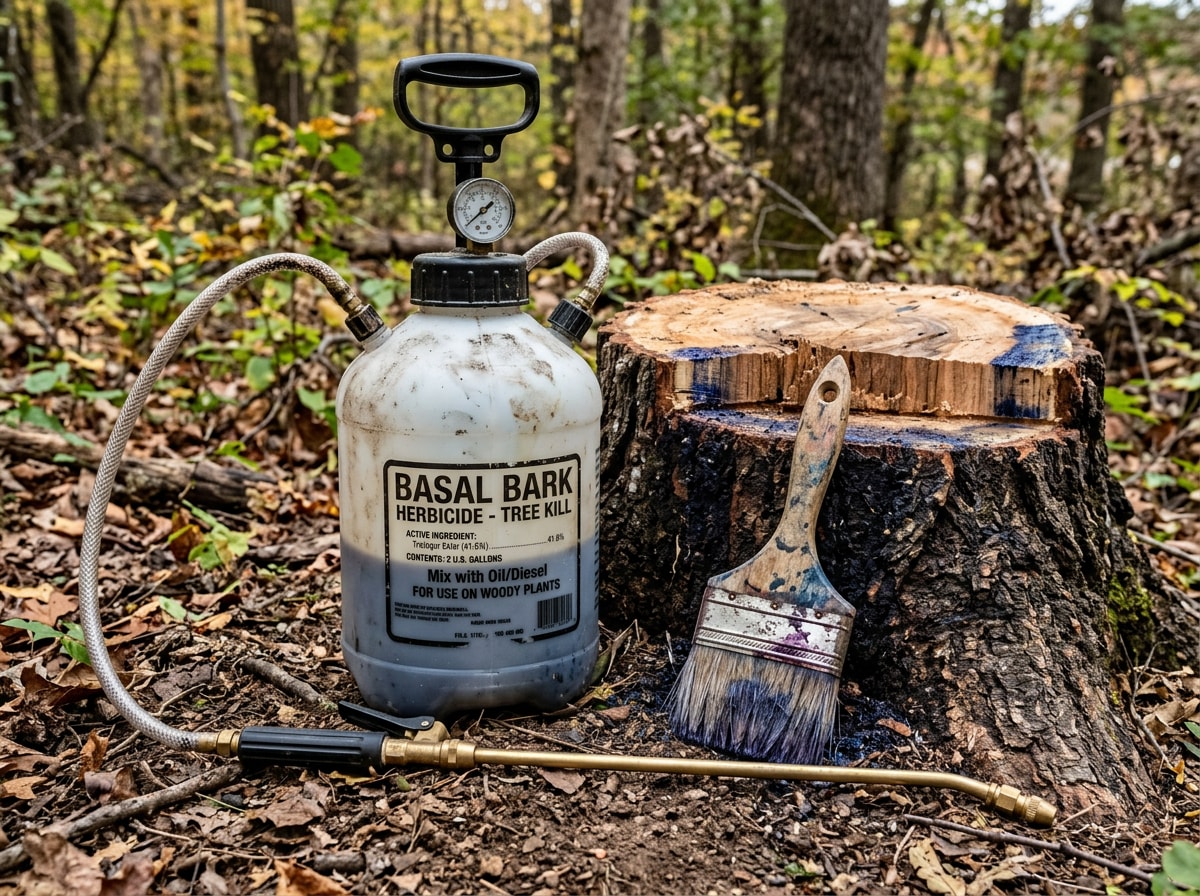
Many woody plants can be killed without cutting the tree down by applying oil-soluble herbicides to the bark, a method generally recommended for trees or shrubs with stem diameters of 4 inches or less, though larger trees with very thin bark and stems up to roughly 6 inches may also be controlled. You spray the lower 12 to 18 inches of undisturbed bark and let it absorb through the tissue. An oil-soluble herbicide, triclopyr ester, must be used for basal bark applications to facilitate movement of the herbicide through waxy substances in the bark. For details on application rates, the University of Florida IFAS Extension guide to killing trees with herbicide is a solid technical reference.
Herbicide Injection ("Hack and Squirt")
Drill or hatchet-cut evenly spaced holes around the trunk's circumference, angled slightly downward, then inject concentrated herbicide into each cut with a squeeze bottle or injection tool. Spacing holes every 2 to 3 inches around the trunk, a couple of inches deep, gets the chemical into enough of the vascular system to work within a growing season.
Foliar Spray
Foliar spray works best on smaller, younger trees, generally under 15 feet tall, because you need enough low-hanging leaves to coat thoroughly. It only works during the growing season when leaves are actively photosynthesizing, typically late spring through summer.
One Caution Most Guides Skip
Soil-applied herbicides stay active in the environment for years and can kill trees when their roots absorb enough of the chemical to be fatal, and tree roots can spread 2 to 3 times the height of the tree in any direction. That means a soil-based herbicide aimed at one tree can quietly damage a neighbor's healthy shade tree or your own landscaping well outside the drip line. Stick to bark or injection methods near property lines rather than broadcasting anything into the soil.
Choosing a Chemical Tree Killer: Tordon vs. Roundup
| Factor | Tordon (picloram) | Roundup (glyphosate) |
|---|---|---|
| Active ingredient | Picloram, often paired with triclopyr | Glyphosate |
| Time to visible decline | 2 to 4 weeks | 1 to 3 weeks on smaller trees, slower on large hardwoods |
| Cost per application | Higher, concentrated and professional-grade | Lower, widely available at retail stores |
| Best for | Large, established trees and stumps | Saplings, brush, and smaller trunks |
| Soil persistence | Can linger and affect nearby plant roots | Breaks down faster, generally fewer soil restrictions |
Glyphosate is an herbicide applied to the leaves of plants to kill both broadleaf plants and grasses.
It was first registered for use in the U.S. in 1974 and remains one of the most widely available options at any hardware store, which is part of why it shows up in so many DIY tree-killing methods. Label restrictions and retail availability vary by state and county, so check current requirements through the National Pesticide Information Center's glyphosate fact sheet rather than assuming either product is approved everywhere.
Non-Chemical Methods: Copper Nails and Rock Salt
For homeowners who want to avoid both cutting and commercial chemicals, copper nails and rock salt are the two low-tool options people keep coming back to. Both work, but they're slower and less predictable than girdling or herbicide. Treat them as a patient backup, not a primary plan.
Copper Nails Driving copper nails into a tree trunk introduces copper ions into the vascular tissue, interfering with photosynthesis over time. It's cheap and low-effort, a hammer and a handful of nails is all it takes, but results vary widely by species and size. It's genuinely a slow method, sometimes taking a year or more to show real decline.
Rock Salt Packing salt around the base of the trunk or into drilled holes pulls moisture out of the roots faster than the tree can replace it. It's inexpensive and simple, but salt doesn't stay put. It leaches into surrounding soil and can damage grass, flower beds, or neighboring tree roots, so it's a poor choice near landscaping you want to keep.
If a DIY approach stalls out, or the tree turns out to be bigger or closer to your house than it looked from the ground, our tree service team handles everything from here, including hazardous tree removal for trees that have died standing near structures or power lines.
How to Kill Specific Types of Trees
Method effectiveness isn't one-size-fits-all. Species, root structure, and trunk size all affect which approach works fastest.
Maple Trees
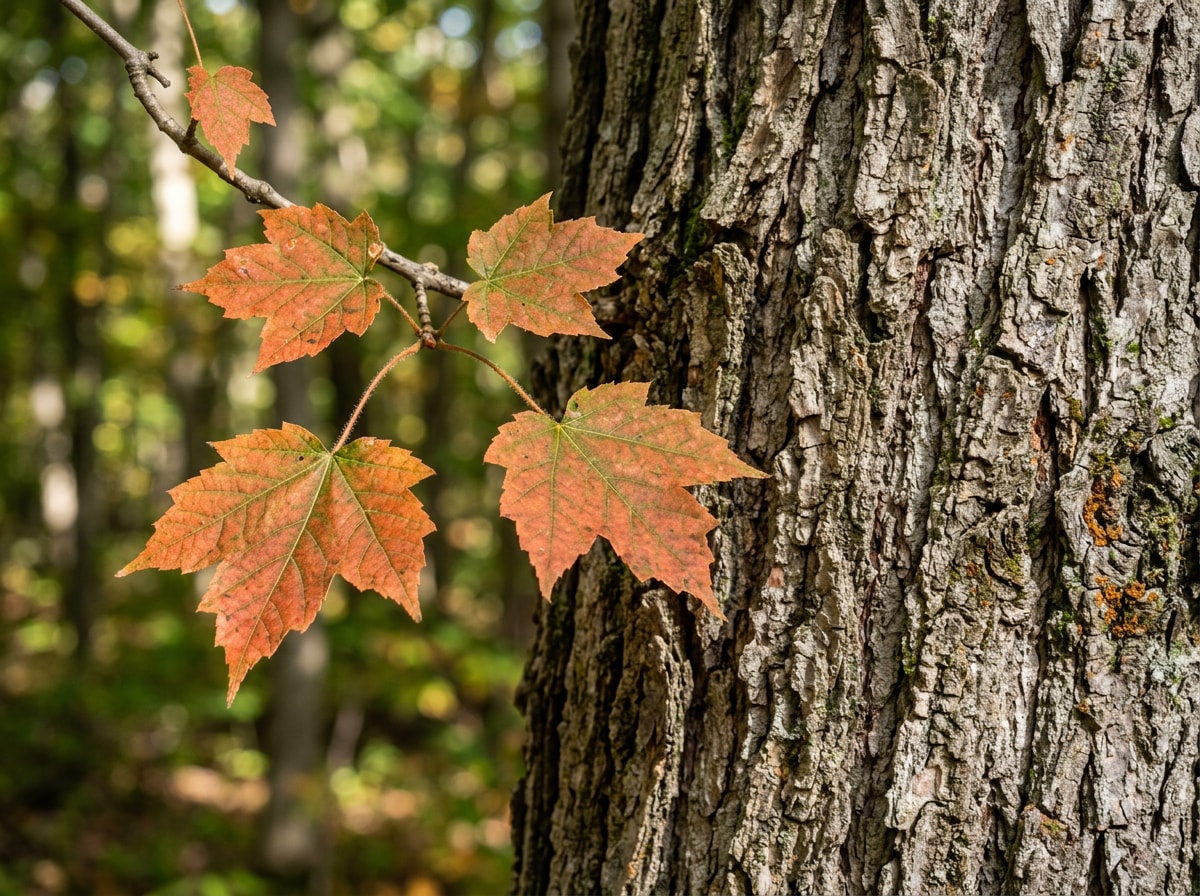
Maples respond well to both girdling and injected herbicide, largely because their shallow, wide-spreading root systems move chemicals efficiently once absorbed. Girdling works the same way described earlier, but mature maple bark tends to be thicker, so expect the cutting step to take longer. Maples make up a large share of the canopy in East Aurora and the surrounding Erie County area, so getting the cut right matters. A poorly girdled maple can survive for years instead of months.
Large Trees
Oversized trees take longer to kill through any non-cutting method, sometimes a full year or more, and once dead they frequently still need professional equipment to bring down safely given their size and weight. You'll see Epsom salt poured around the root zone suggested online as an accelerant alongside girdling. We'd treat that as folklore rather than fact. There's no solid horticultural research showing it speeds dieback the way a proper girdle or injected herbicide does, so don't count on it to shorten the timeline.
Small Trees
Saplings and small ornamentals respond fastest to foliar spray or basal bark treatment since their bark is thin enough for either to work well. Skip the homemade vinegar-and-water soil drenches that circulate online. Horticultural vinegar is a contact herbicide for leaf tissue, not a proven root killer when poured into soil, and it's strong enough to scorch nearby grass and garden beds if it runs off.
Once any of these trees are fully dead, removal and stump grinding are usually the next call, especially if the trunk is large enough to need a crane or if roots have started heaving a nearby walkway.
Is It Legal to Kill a Tree in East Aurora, NY?
This is the part most tree-killing guides skip, and it's the one with real financial teeth. If the tree sits entirely on your own property, you're generally free to girdle, spray, or otherwise kill it. The trouble starts when the tree straddles a property line or sits on land you don't clearly own.
Under New York's timber-trespass statute, anyone who cuts, removes, injures, or destroys a tree on another person's land without consent can be sued for treble the stumpage value of the tree or $250 per tree, whichever is greater, plus the cost of repairing any permanent damage to the land. Girdling or poisoning a tree counts as "injuring" it under that law just as much as cutting it down does. Before treating anything near a shared boundary, confirm ownership with a survey or your deed, and when in doubt, contact us to talk through the situation before you touch the trunk.
FAQ
What Is the Best Way to Kill a Standing Tree?
There isn't one universal best way. It depends on the tree's size, how much time you're willing to wait, and whether a crew will take it down once it's dead. Girdling suits patient homeowners, while herbicide injection or basal bark treatment works faster on a tighter timeline.
How Long Does It Take to Kill a Tree by Girdling?
Girdling typically takes anywhere from a few months to two years, depending on species, trunk diameter, and the season the cut was made. Smaller, thinner-barked trees and cuts made early in the growing season tend to show decline faster than large, mature hardwoods.
What Time of Year Should I Girdle or Treat a Tree?
Late spring through summer, while the tree is actively moving water and sugar through its vascular system, is when girdling and herbicide applications take effect fastest. Treating a dormant tree in winter slows the whole process down since there's little active flow to disrupt.
Can I Leave a Standing Dead Tree in My Yard?
Yes, as long as it's not close enough to fall on a structure, power line, driveway, or walkway. Dead trees decay unpredictably and can drop limbs or topple in a storm with no warning, so if it's within striking distance of anything you care about, plan on removal once it's confirmed dead.
Is It Illegal to Kill a Tree You Don't Own?
Yes, if it's on someone else's property or straddles a boundary line without their agreement, you're exposed to the treble-damages penalty described above. Before treating a tree that straddles a property line, check local ordinances or contact us to talk through the situation with a professional first.
Can You Kill a Tree Without Anyone Knowing?
Slower, less visible methods, girdling near the base or copper nails driven below the bark line, are the ones most often searched for this reason, since they don't involve visible spraying or obvious trunk damage. The same legal and boundary-line caveats above still apply, so confirm ownership and local rules before starting any treatment.
---
Whether you're girdling a maple in your own backyard or dealing with a hazardous tree that's already dying near the house, 1776 Stump Grinding serves East Aurora and the rest of Erie County, including Orchard Park, Hamburg, and West Seneca. Get a free estimate before you reach for a hatchet, a chemical, or a bag of rock salt, it's worth knowing what you're dealing with first.