
Searching for palm tree service near me in Cheektowaga, NY? You're probably dealing with a potted palm, a storm-damaged ornamental, or a tree job search engines mislabeled. Real palms don't survive Western New York winters outdoors, so here's what actually works, plus 2026 costs for removal and trimming.
Visit 1776 Tree Service to see our services and request a free estimate.
Why Most "Palm Tree" Searches in Cheektowaga Aren't About Palms
Outdoor palm tree care is rare in this part of New York. Most calls that start with "palm tree service" end up being one of three things.
- A container-grown patio palm that needs to move indoors before frost.
- A storm-damaged ornamental tree that got lumped into palm-related search results.
- A standard yard tree removal or trim that a homeowner just searched for using the wrong term.
Whatever brought you here, a local crew that handles both indoor palm maintenance and standard Western New York tree work can usually take care of it. We serve homeowners throughout Cheektowaga, NY, and the same crew that moves a container palm indoors for winter is equipped to remove a hazardous oak or trim a storm-stressed maple.
If your search is really about general tree cutting costs and permits in this town, our Tree Cutting Company Near Me in Cheektowaga guide covers that in more depth.
Can Palm Trees Survive in Cheektowaga, NY's Climate?
No, not reliably outdoors. The current USDA Plant Hardiness Zone Map places Cheektowaga in Zone 6b, a step up from the Zone 6a designation on the older 2012 map, but still a climate with regular sub-zero winter lows. Almost no palm species tolerates that without serious, ongoing protection.
Two cold-hardy varieties get mentioned most often for borderline climates like ours:
- Windmill palm (Trachycarpus fortunei): rated to roughly Zone 7b, tolerating brief dips to 5°F to 10°F with a sheltered site.
- Needle palm (Rhapidophyllum hystrix): the hardiest true palm species, rated to around Zone 6a to 5b in ideal, protected microclimates.
Even these need heavy mulching, trunk wrapping, and wind protection every winter. Survival still isn't guaranteed through a harsh lake-effect cold snap, and Cheektowaga's zone sits right at the edge of what either species can handle.
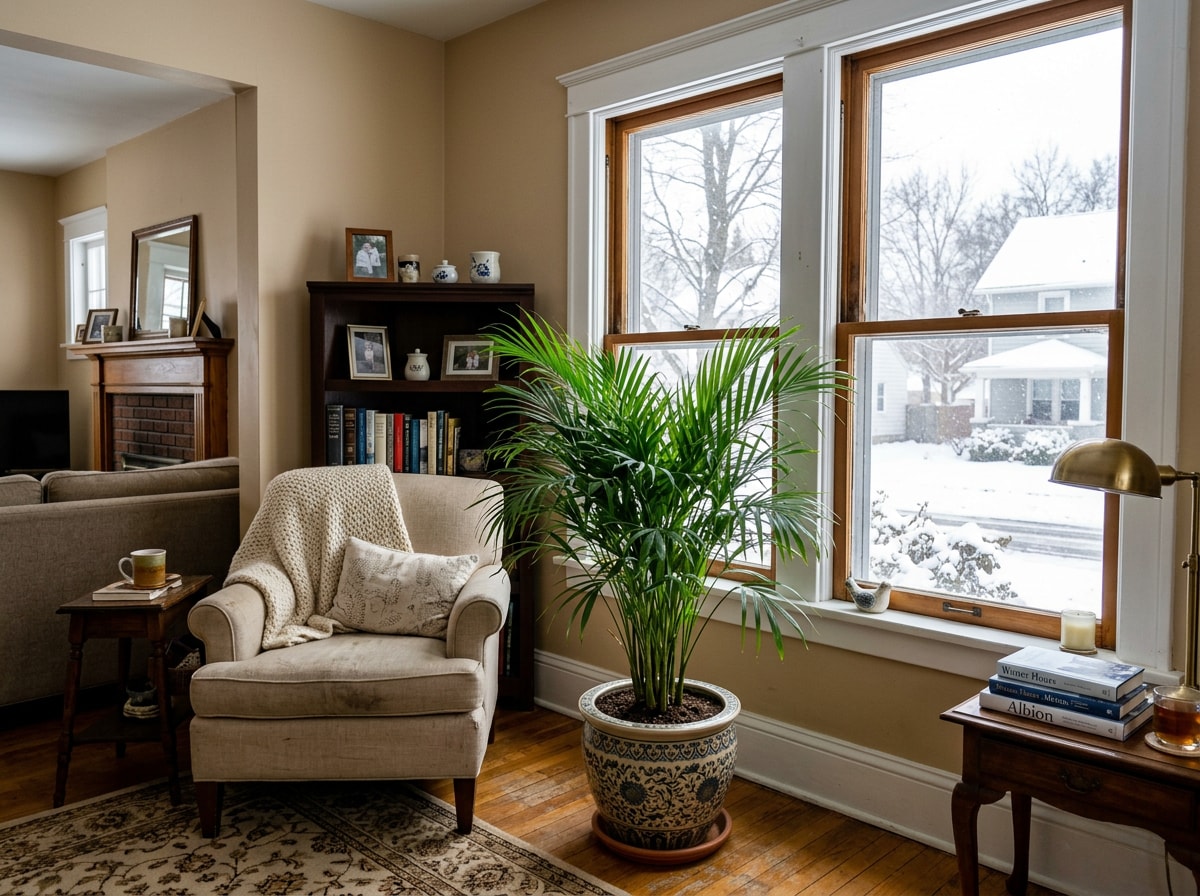
For most homeowners, an outdoor palm here is a bet that loses by February. The lower-risk route is indoor palm care: species like the Areca palm, Parlor palm, and Lady palm do well in containers that come inside for winter and give you the tropical look without fighting the climate.
If you already have an outdoor specimen struggling through a Cheektowaga winter, hardy variety or not, that's usually a job for a professional removal, not more wrapping. You can check your exact microclimate on the official USDA Plant Hardiness Zone Map before planting anything borderline.
When a Struggling Palm or Ornamental Needs Professional Removal
Once a tree is dead, damaged, or simply outgrowing its spot, handling it yourself gets risky fast. These trees are often tall, top-heavy, and close to structures or power lines.
Signs it's time to call a professional removal crew:
- The tree is dead, dying, or visibly diseased.
- It's leaning or showing new lean after a storm.
- Roots are cracking a sidewalk, driveway, or foundation.
- It's simply outgrown the space it's planted in.
Reduces safety risks
A leaning or storm-weakened tree can come down without warning, especially during Western New York's high winds and heavy rain. Scheduling hazardous tree removal before the next storm is a proactive move, not a reactive one.
Prevents root system damage
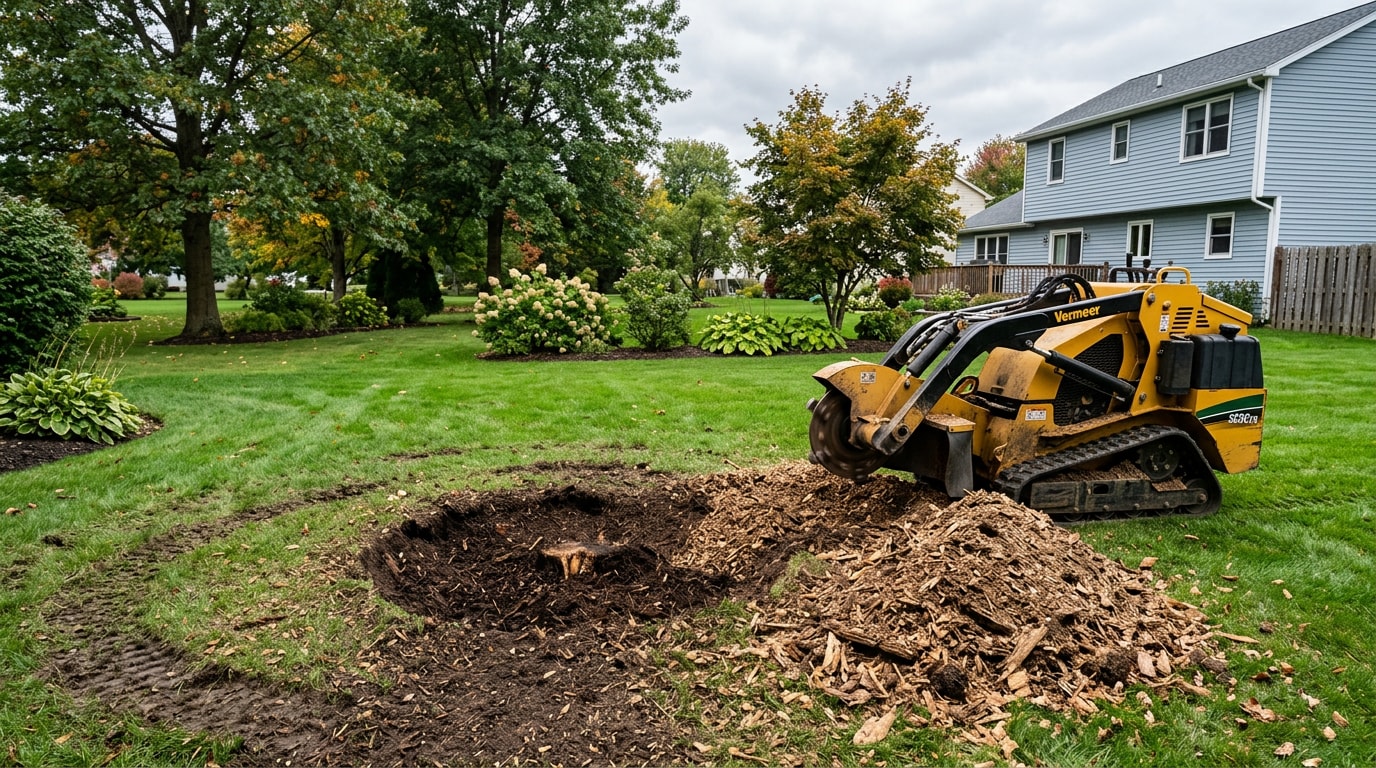
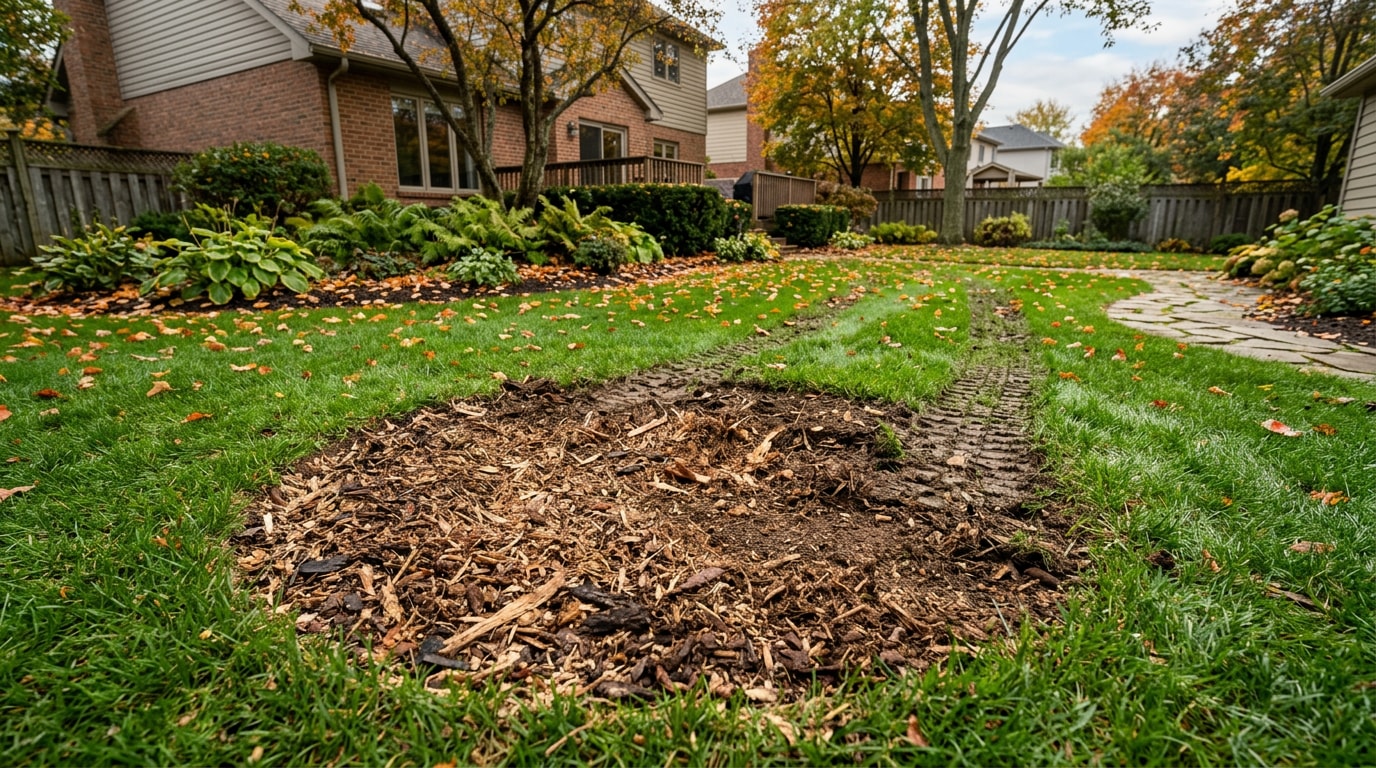
Large root systems push into sewer lines and crack sidewalks over years of unchecked growth. A professional crew doesn't just cut the tree down; they handle stump grinding too, which stops regrowth and protects nearby structures.
Improves yard cleanliness
Dropped fronds, fruit, and debris pile up fast around a dying tree. Removing it cuts down on cleanup and opens space for easier, low-maintenance landscaping. For removal on any tree type, see our tree removal services.
Palm & Ornamental Tree Trimming Done Right
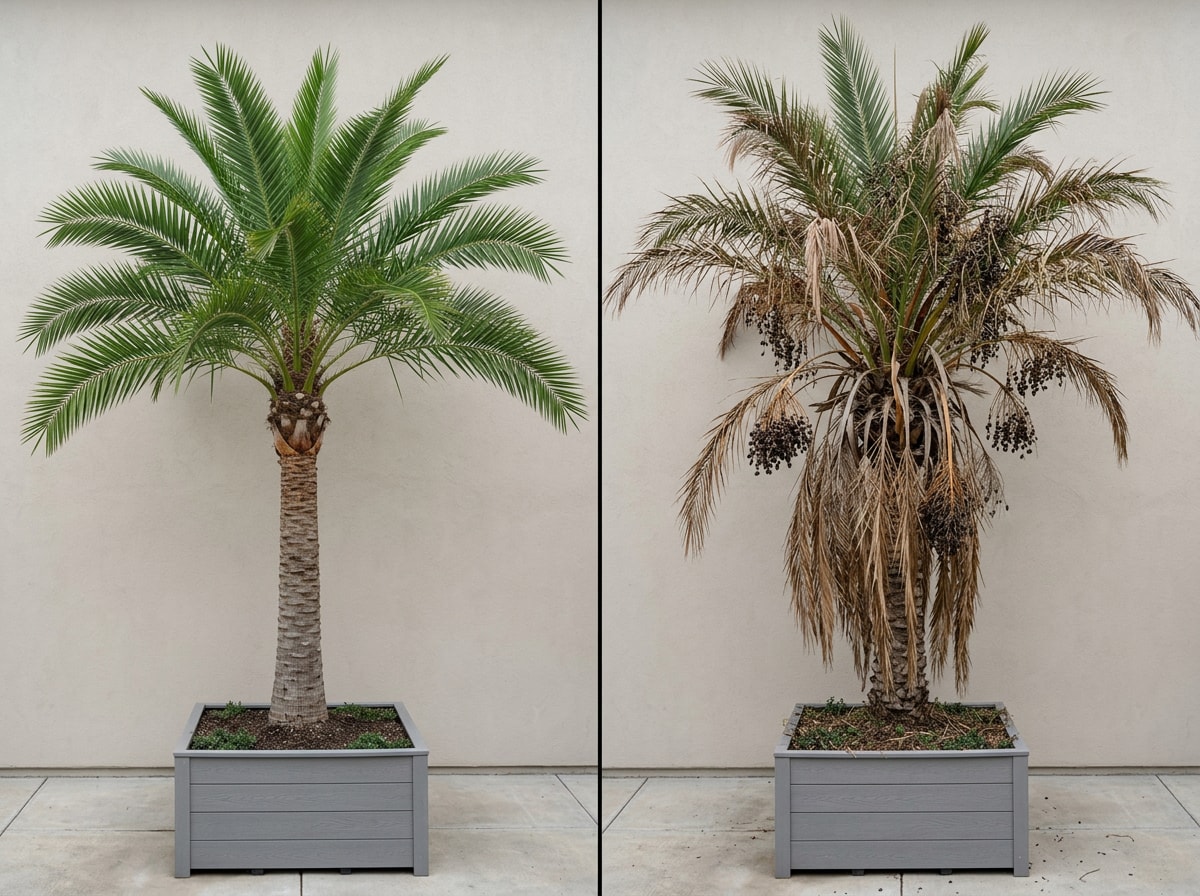
For the palms that are actually healthy, almost always indoor or seasonal container specimens here, trimming rather than removal is the usual need. Professional pruning isn't generic work. It requires knowing how a specific species responds to cuts and which fronds are safe to remove.
Dead frond removal
Dead fronds aren't just unsightly. Once they dry out, they become brittle enough to snap off unpredictably. Routine removal keeps the plant tidy and cuts the chance of falling debris.
Shaping and pruning
Thoughtful pruning shapes a palm to complement its surroundings while supporting healthy new growth. A one-size-fits-all trim often does more harm than good. The International Society of Arboriculture notes that over-pruning can stress palms and slow their growth.
Storm preparation
Western New York's lake-effect storm season brings sudden wind gusts and heavy, wet snow loads. Trimming back weak growth ahead of storm season reduces wind resistance and the odds of breakage.
Growth monitoring
Experienced crews track how a tree develops over multiple visits, which helps them time trims correctly instead of waiting for a problem to show up.
Browse our full tree trimming and tree pruning services for the complete menu.
Full-Service Tree Care We Offer Near Cheektowaga
A provider experienced in both indoor palm maintenance and Western New York tree work can cover nearly any request a homeowner here brings them.
| Service | What it covers |
|---|---|
| Indoor/container palm care | Seasonal moves, pruning dead fronds, shaping |
| Tree Removal | Full removal of dead, damaged, or oversized trees |
| Hazardous Tree Removal | Leaning, storm-damaged, or structurally compromised trees |
| Tree Trimming | Routine canopy maintenance and storm prep |
| Tree Pruning | Species-specific shaping cuts |
| Stump Grinding | Grinding roots and stumps below grade after removal |
2026 Cost Guide: Palm, Ornamental & Tree Service Pricing in Cheektowaga
Pricing depends on tree height, trunk diameter, site access, how many trees are involved, and how much debris needs hauling. For trimming, frequency and cut type also move the price.
| Service | Typical Range |
|---|---|
| General tree removal (Buffalo/WNY) | $300 to $3,000+ |
| Stump grinding | $175 to $550 |
| Palm/ornamental trimming | $100 to $1,500 per tree |
Treat these as planning numbers, not a quote. Site difficulty, crew, and season all shift the final price.
Before scheduling removal, check whether your tree needs a permit. The Town of Cheektowaga's tree ordinance requires a permit for most tree removals, with exceptions for smaller-caliper trees on developed lots.
Ready to get an exact number for your property? Request a free estimate and a crew can assess the specifics on-site.
FAQ
How much does it cost to remove a palm tree?
Palm tree removal typically costs between $150 and $1,500, depending mainly on the tree's height and how accessible it is for equipment. If stump grinding is needed afterward, expect an additional $175 to $550 on top of the removal cost.
How much does professional palm tree trimming cost?
Professional palm tree trimming generally runs $100 to $1,500 per tree, with the final price shaped by height, frond density, and site access. Most varieties do best with trimming once or twice a year.
Are there cold-hardy palm trees for cooler climates?
A small number of cold-hardy varieties, like the windmill palm and needle palm, can survive brief cold snaps with heavy winter protection. In a Zone 6b climate like Cheektowaga's, survival still isn't guaranteed, and container-grown indoor palms give more reliable results.
Do I need a permit to remove or trim a tree in Cheektowaga, NY?
Usually, yes, for removal. The Town of Cheektowaga's tree ordinance requires a tree removal permit from the Building Inspector for most trees, with exceptions for smaller trees on developed lots under half an acre. Routine trimming and pruning generally don't require a permit. Confirm your specific case with the town before scheduling work.
How often should palm trees be trimmed?
Most palm species do well with trimming once or twice a year, timed around dead frond buildup and seasonal growth. The International Society of Arboriculture recommends removing only dead or hazardous fronds rather than over-pruning a healthy canopy.
Does homeowners insurance cover tree removal in Cheektowaga?
It depends on the cause. Most policies cover removal if a tree falls due to a covered peril like wind or storm damage, especially if it hits a structure. Routine removal of a dead or unwanted tree with no storm involved is typically the homeowner's cost, not the insurer's.
What's the best time of year to remove or trim trees in Western New York?
Late winter to early spring, before new growth starts, is ideal for most trimming and pruning. For removal, many homeowners schedule before the lake-effect storm season ramps up in late fall to reduce the risk of a weak tree coming down in a storm.