Hiring a tree limb trimmer in Buffalo, NY protects your roof, your power lines, and the long-term health of your trees. Western New York's heavy lake-effect snow and aging urban canopy turn routine trimming from a cosmetic chore into a structural necessity. This guide breaks down the process, 2026 pricing, and the exact signs that tell you trimming is enough versus when it's time to call for removal.
How Tree Limb Trimming Works in Buffalo
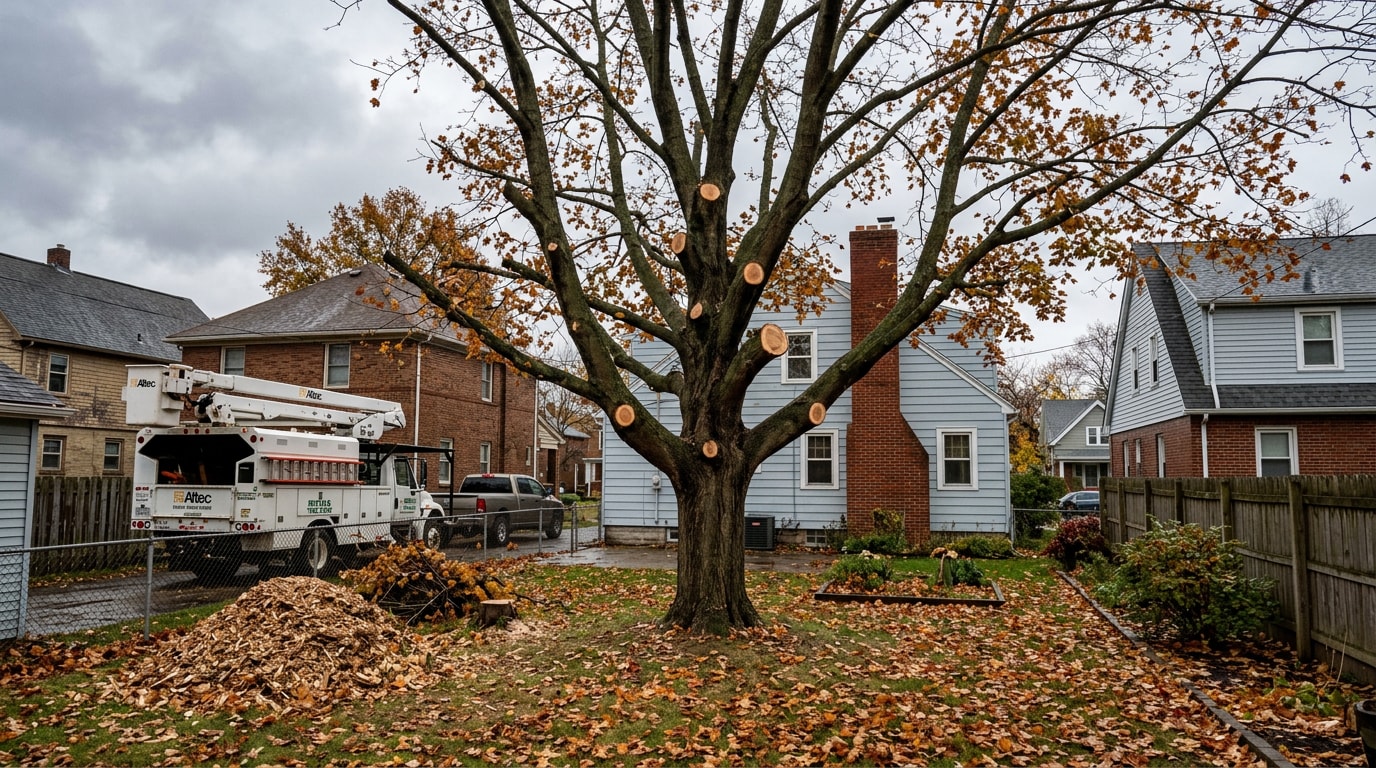
A trained crew starts with a walk-around inspection, looking for weak limbs, overgrowth near the roofline, and anything hanging over a driveway or power line. From there, they build a cutting plan that targets specific limbs instead of stripping the canopy indiscriminately.
Limb removal comes next. Crews work from the largest or most hazardous branches down to smaller deadwood. Clean cuts made at the branch collar help the tree heal faster and keep decay organisms out of the wound. Arborists adhering to the ANSI A300 pruning standard will not leave branch stubs, make unnecessary heading cuts, cut off the branch collar, or climb the tree with climbing spikes . That's the baseline we hold every job to.
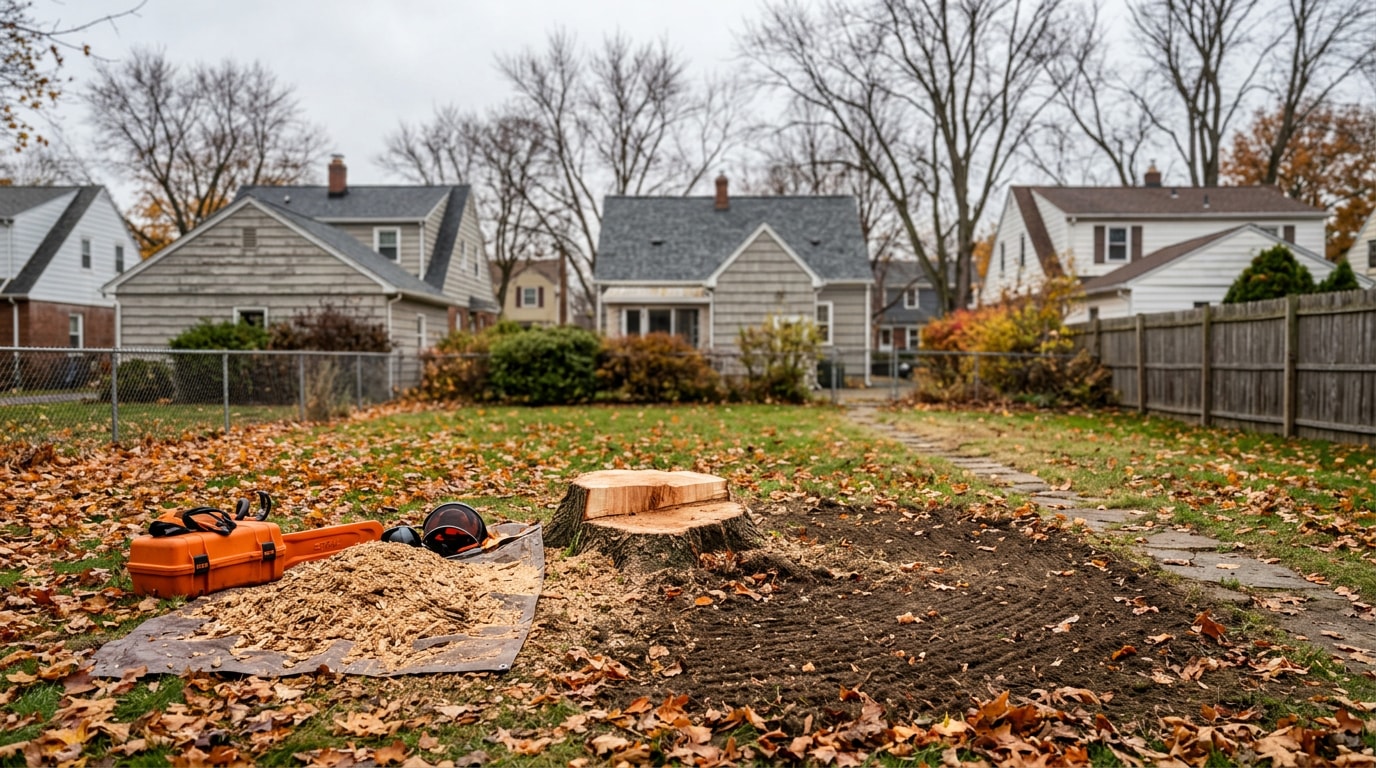
The final step is cleanup: hauling debris, chipping larger limbs, and leaving the yard as tidy as it was before the crew arrived. If you want the full rundown on what separates a trim from a full takedown, our guide on tree and limb removal in Buffalo covers that line in more detail.

Tree Trimming Cost in Buffalo, NY (2026)
Cost scales with tree size first, then access and urgency. Here's a working breakdown homeowners can use to budget before requesting quotes.
| Tree Size | Typical Height | Estimated Cost Range |
|---|---|---|
| Small | Under 25 ft | $150 – $450 |
| Medium | 25–50 ft | $400 – $900 |
| Large | Over 50 ft | $800 – $1,800+ |
| Emergency/Storm | Any size | +25–50% above standard pricing |
These are planning ranges, not quotes. Actual pricing depends on the crew, equipment needs, and site conditions. A few variables push the number up or down on any given job:
- Tree size and height. Taller trees need bucket trucks or climbing gear, which adds labor time.
- Number of trees on the property. Multi-tree jobs often cost less per tree since crew setup happens once.
- Site accessibility. Fences, power lines, and tight side yards slow the work down.
- Type of trimming needed. Light shaping costs less than heavy deadwood removal or crown reduction.
Emergency trimming after a storm is almost always the priciest tier because of scheduling urgency and added risk working around downed power lines or structural damage. Addressing risky limbs before storm season arrives is the cheaper path in the long run. For an exact number, request a free estimate and describe your property's trees, or browse our tree trimming services page to see what a standard visit covers.
What's Included in a Professional Tree Limb Trimming Service
Most tree trimming work falls into a few core categories, whether the job is one backyard maple or an entire commercial lot.
Residential Tree Trimming
Residential jobs usually involve a handful of trees on a single property, with close attention paid to houses, fences, sheds, and parked vehicles. The scope is narrower, but precision still matters since limbs often hang near structures.
Commercial Tree Trimming
Commercial properties tend to have larger lots, parking areas, and multiple trees at once. Crews need bigger equipment, more coordination around foot traffic or business hours, and a canopy maintenance plan that keeps the whole property looking consistent.
Removal of Dead or Diseased Branches
Dead and diseased limbs are a direct threat to the rest of the tree, not just a cosmetic issue. Dead branches are a visible marker of pest and disease pressure in trees like elm, and pruning them in the dormant season limits further spread . Cutting them out early, with clean tools, keeps a localized problem from becoming a whole-canopy one. If deadwood or storm damage has already brought a limb down, our guide to tree trimming tools walks through what a homeowner-grade cleanup actually requires versus when to call a pro.
Why Trimming Protects Tree Health and Property Safety
Regular trimming removes competing or crossing branches that would otherwise fight for light and space, which encourages more even growth across the trunk and main limbs. Over time that reduces the odds of one overloaded branch becoming a structural weak point, and a well-structured tree handles wind and snow load better.
In Buffalo, safety concerns around trees usually come down to two things: ice and proximity. Heavy, wet snow can add significant weight to an overgrown limb, and a branch that looked fine in summer can snap under that load in January. Limbs hanging over a roof, driveway, or power line turn that into a direct hazard instead of a minor cleanup.
Keeping canopies trimmed back from rooflines and utility lines is one of the simplest forms of storm damage prevention available to homeowners. Asking whether an arborist prunes according to ANSI A300 recommends, and in some cases requires, specific tools, cutting techniques, and pruning methods , which is the standard professional crews work to for keeping clearance near structures and power lines safe and consistent.
Tree Trimming vs. Tree Removal: Which Does Your Tree Need
Trimming is almost always the first option since it keeps a tree alive, standing, and contributing to the property. Removal is reserved for trees that are too far gone or too risky to save through pruning alone. Our tree removal services page covers that process in full if you're already past the trimming stage.
Signs your tree needs trimming:
- Branches reaching toward the roof or gutters
- Limbs rubbing against siding
- Visible deadwood scattered through the canopy
- Thinning or lopsided growth
- Branches blocking walkways or driveways
Signs you need removal instead:
- A visible lean that's increased over time
- Large sections of dead canopy
- Exposed or damaged roots near the base
- Deep cracks in the trunk
- Fungal growth at the root flare
These deeper issues mean the structural integrity of the tree itself is compromised, not just a few limbs. At that point, trimming won't resolve the underlying risk. If a tree is showing multiple warning signs at once, our hazardous tree removal team can assess it directly.
Buffalo's Climate and Permit Rules Homeowners Should Know
Western New York's mix of mature street trees, clay-heavy soil, and long winters shapes how trimming needs show up across the region. Many Buffalo neighborhoods have decades-old maples, oaks, and elms with wide canopies that benefit from regular thinning to reduce wind resistance.
Buffalo, NY sits in USDA Plant Hardiness Zone 6b , which shapes which species thrive locally and how their growth responds to the area's freeze-thaw cycles. Lake-effect snow adds another layer: wet, heavy accumulation builds up quickly on untrimmed limbs, and trees already weakened by age or disease feel that stress first.
One detail homeowners often miss: trimming rules differ based on where the tree sits. A Tree Work Permit is required to plant, prune, or remove trees within the City of Buffalo right of way, and there is no fee to obtain one . That permit generally applies to the strip between the sidewalk and the curb, not to trees fully on private property, but it's worth confirming before cutting anything back near the street. We check this on every applicable job before equipment goes up.

Frequently Asked Questions
How much does tree trimming cost in Buffalo?
Costs typically range from $150 for small trees to $1,800 or more for large, mature trees, with emergency work priced higher. See the cost breakdown above for a full size-based comparison.
How often should I trim my trees in Buffalo?
It depends on the species and growth rate. Fast-growing trees may need attention every 1–2 years, while slower-growing species can often go 3–5 years between trimmings.
When is the best time of year for tree trimming in Buffalo?
Late fall through early spring, the dormant season, is generally best since trees heal faster and disease risk is lower. Hazardous limbs should be addressed year-round regardless of season.
Do I need a permit for tree trimming in Buffalo, NY?
Trimming trees fully on private property typically doesn't require a permit. Work on a tree in the public right-of-way, between the sidewalk and the street, does. Check the City of Buffalo's Forestry Division guidelines before starting work near the curb line.
What's the difference between tree pruning and trimming?
Pruning focuses on a tree's health and structure, removing specific limbs to support long-term growth. Trimming is more about shape and clearance, keeping branches off structures, walkways, and power lines. Our tree pruning page breaks down when each term applies.
Is tree trimming cheaper than tree removal?
Almost always, yes. Trimming addresses specific limbs and keeps the tree standing, so it requires less labor and equipment time than a full removal. Removal only becomes the better value when the tree itself is structurally compromised and trimming won't fix the underlying risk.
Ready to get overgrown limbs handled before winter weight becomes a problem? Get a free estimate from the team at 1776 Stump Grinding, and we'll walk your property with you before any cutting starts.