Fallen tree cleanup in Cheektowaga, NY starts with safety, not a chainsaw. When a storm drops a tree across your yard, driveway, or roofline, the decisions you make in the first ten minutes matter more than anything a cleanup crew does afterward. This guide walks through the safety checks, realistic 2026 costs, permit rules, and the right call to make before cleanup even begins.
First Steps: Safety and Immediate Assessment After a Fallen Tree Falls
The first few minutes after a tree goes down decide everything that happens next. Before you think about cleanup, you need two answers: is it safe to get close, and how urgent is this situation? Those two judgment calls determine whether you wait for a scheduled appointment or need someone on-site within the hour.
Signs a Fallen Tree Is a Hazard, Not Just a Cleanup Job
Walk the property from a distance rather than approaching the tree directly. Look for these warning signs before anyone steps near the tree:
- Broken limbs hanging in the canopy ("widowmakers") that can drop without warning
- A trunk or large limb still leaning on a structure, fence, or vehicle
- Any part of the tree touching a power line
- Cracked or heaved soil around the root ball, signaling the tree may shift further
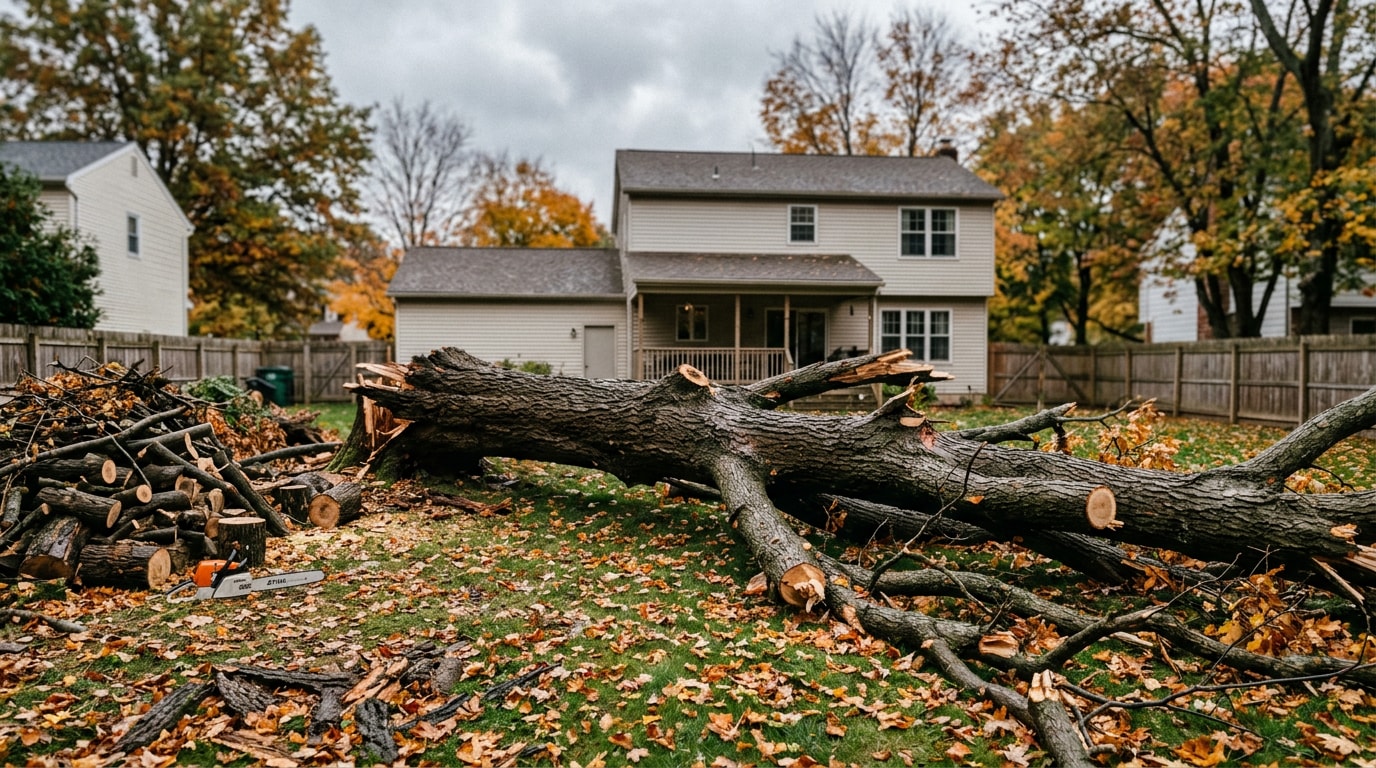
A common scenario in this area: a mature silver maple splits during a late-winter ice storm and comes to rest across a driveway, its root plate partially lifted and one branch resting on a power line. In our crews' experience working Cheektowaga's older, tree-lined streets, that combination of structural instability and a downed line is exactly when assessment needs to happen from a distance, not up close with a chainsaw.
Know Who to Call After a Tree Falls
Who you call first depends on what the tree is touching.
If any part of the tree contacts a power line, call the utility company immediately and keep everyone away from the area. Downed lines can stay energized even when they look dead.
If the tree blocks a road, damages a structure, or threatens someone's safety, call 911 first. Once the immediate danger is cleared, a licensed emergency tree removal crew handles the private-property cleanup, removing the tree, clearing debris, and checking for any remaining hazard in the yard. For routine cleanup once the scene is safe, reach out for a free estimate and most jobs in Cheektowaga can be scheduled same-day or next-day depending on severity.
Understanding Fallen Tree Cleanup Costs in Cheektowaga, NY
Once safety is handled, cost is almost always the next question. Pricing for fallen tree cleanup varies more than people expect, and knowing the variables ahead of time helps avoid surprises on the invoice.
What Drives the Price
- Tree size and species — a dense hardwood tangled near a house costs more than an open-yard softwood of similar size
- Proximity to structures or lines — work near a roof, fence, or power line slows a crew down and raises risk
- Access — a backyard with no truck access usually means more labor hours
- Debris volume — a tree that shattered into dozens of limbs takes longer to clear than one that fell intact
- Timing — emergency, after-hours response almost always carries a storm-response premium, since crews are pulled off scheduled work to respond same-day
2026 Cost Ranges for Cheektowaga Tree Work
Tree removal cost generally scales with trunk diameter and height. As a rough starting point for the area:
| Service | Estimated Cost Range |
|---|---|
| Small tree removal (under 30 ft) | $250–$750 |
| Medium tree removal (30–60 ft) | $750–$1,500 |
| Large tree removal (60–80 ft) | $1,500–$3,000 |
| Very large/hazardous removal (80+ ft, near structures) | $3,000+ |
| Stump grinding | $150–$500 per stump |
| Routine trimming/limb removal | $200–$900 |
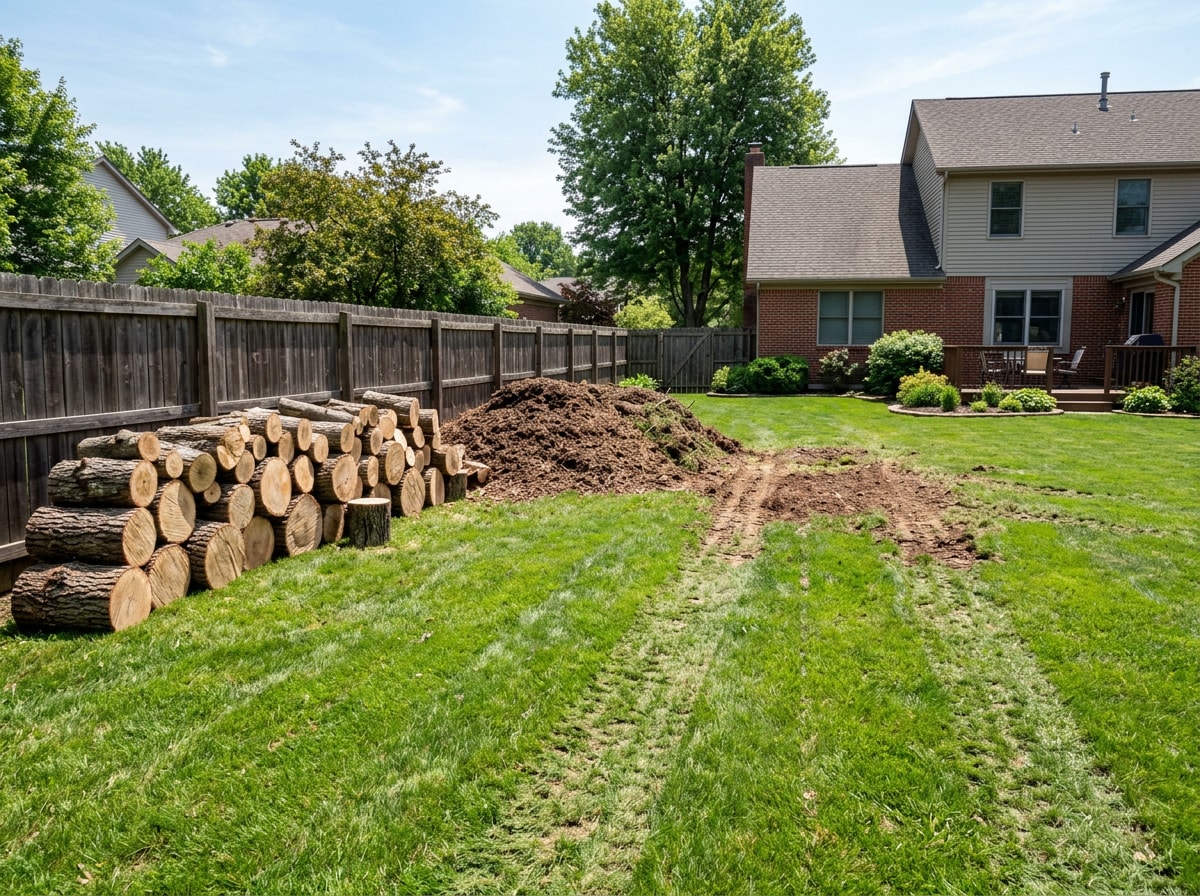
These ranges shift with the complexity factors above, so treat them as a starting point rather than a quote. Leftover stumps are a separate line item; if grinding is part of your plan, stump grinding is typically quoted alongside removal, not folded into it.
Does Cheektowaga Require a Permit to Remove a Fallen Tree?
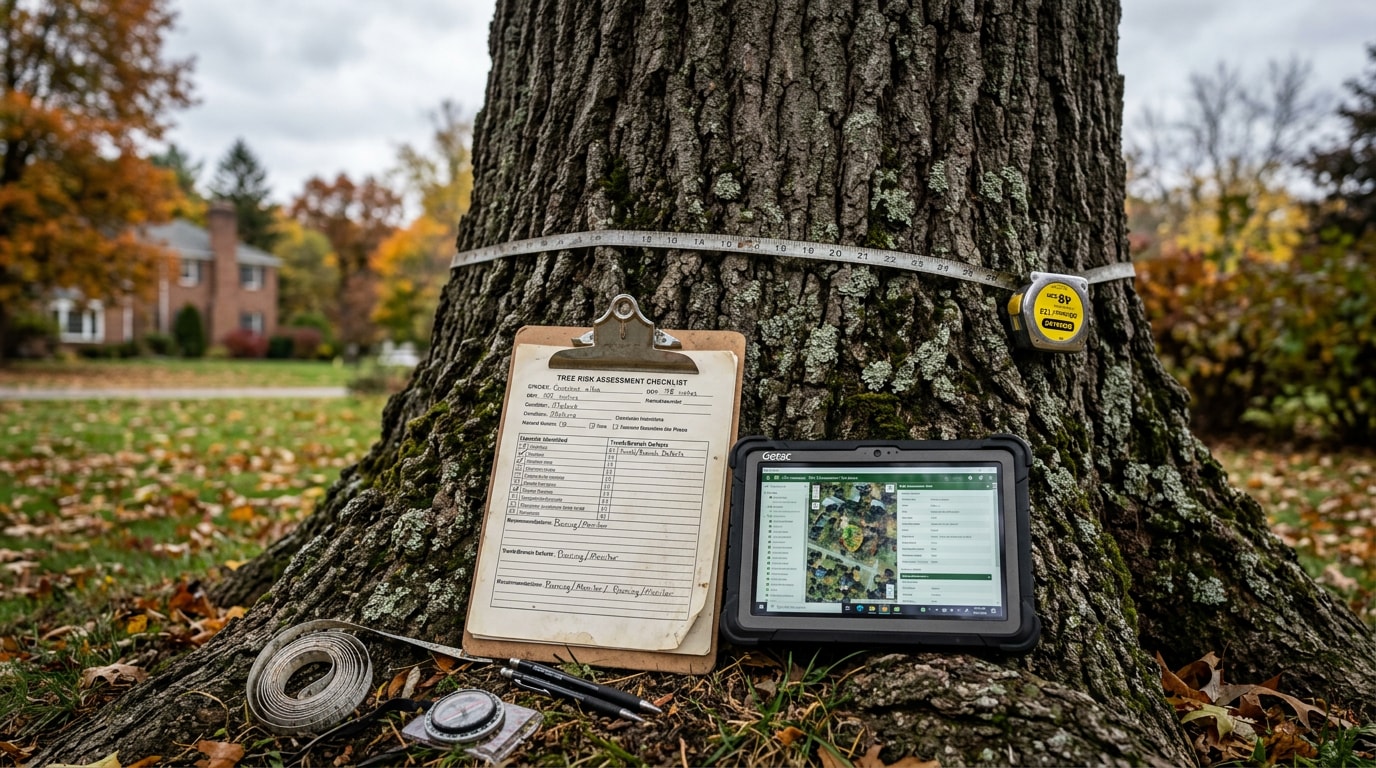
Cost and compliance go hand in hand here. Under the Town's tree ordinance, cutting down, killing, or otherwise destroying trees on developed property of 1/2 acre or less is exempt from a permit only if the trees have a caliper of less than 12 inches, measured six inches above grade . On developed property larger than 1/2 acre, or on vacant property of any size, the exemption only covers trees under four inches in caliper . A reputable local contractor should know this threshold and pull the permit as part of the job. Confirm current rules with the Town of Cheektowaga's tree ordinance before major removal work begins, since local ordinances get amended over time. For a deeper breakdown of permits, pricing, and safety standards specific to this town, see our guide to hiring a tree cutting company in Cheektowaga.
Emergency Tree & Storm Cleanup Response in Cheektowaga
Lake-effect snow and ice storms hit this part of Western New York hard enough, and often enough, that local crews build their schedules around rapid response. At 1776 Stump Grinding, emergency tree removal runs on a 24/7 storm cleanup model, with crews dispatched for hazardous fallen trees at any hour rather than waiting for the next business day. That round-the-clock availability matters most right after a major ice or windstorm, when dozens of properties across the area need help at once.
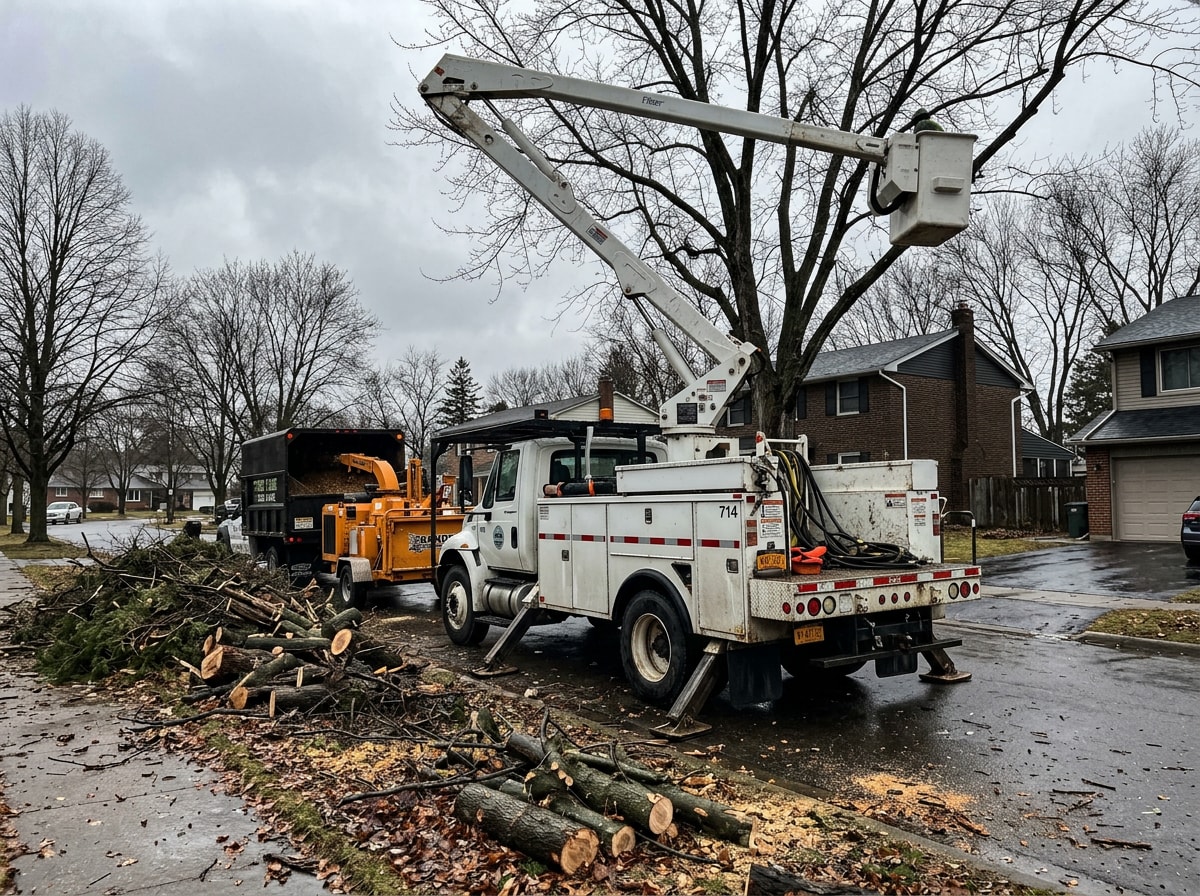
Beyond emergency response, the same crews typically handle the related work that follows: full tree removal, leaning or split hazardous tree removal, and hauling away debris once the hazard is cleared. If you're trying to line up help before the next storm rather than during one, see what's typically included for Cheektowaga properties in a standard cleanup visit.
Why DIY Fallen Tree Cleanup Is Riskier Than It Looks
It's tempting to grab a chainsaw and handle a fallen tree yourself, especially if it looks manageable. The risk is real, though, and it isn't limited to inexperienced homeowners.
The hidden danger is a spring pole: a bent or trapped branch or trunk section holding stored tension. According to New York State's own homeowner guidance, branches and trees that are twisted and bent are usually under strain that is undetectable to the untrained eye, and the quick release of that stored energy by cutting with a chainsaw can result in unpredictable results . That risk exists even in trees that look completely still.
OSHA's tree trimming safety guidance backs this up for anyone cutting a partially fallen tree: never turn your back on a falling tree, and stay alert for objects thrown back by a tree as it falls . Combine that with slippery storm debris, uneven footing, and limited visibility under broken limbs, and cleanup becomes less about tool skill and more about judgment.
A reasonable line to draw: small branches you can reach from the ground, with both feet planted and no overhead hazard, are fine to clear yourself. Anything larger, anything resting on a structure, or anything near a power line should go to a professional. If you're unsure which category your situation falls into, request a free on-site estimate and it usually settles the question quickly.
FAQ
When Should I Call a Professional Versus Attempting DIY Cleanup?
Small, reachable branches with no tension or overhead hazard are generally safe to clear yourself. Anything touching a structure, power line, or vehicle, or anything you can't safely reach from the ground, should go to a professional crew.
How Do I Find a Reputable Tree Removal Service?
Look for a company that carries current liability and workers' compensation insurance, and ask for proof before work begins. Checking recent reviews and local references helps confirm the company performs consistent, licensed work rather than one good job on paper.
Does Homeowners Insurance Cover Tree Removal?
It depends on whether the tree damaged an insured structure. If a tree hits a home or other insured structure such as a detached garage, standard homeowners insurance policies provide coverage for the damage the tree does to the structure and the contents within it . If the fallen tree did not hit an insured structure, there is generally no coverage for debris removal , so a tree down in the open yard is usually an out-of-pocket cost.
Who Pays for Fallen Tree Cleanup After a Storm?
Generally, a tree that falls on your property without damaging anything is your responsibility to clear. If it damages a structure, your homeowners insurance usually covers cleanup and repair. Neighbor disputes get more complicated and often come down to fault, such as whether the tree was known to be diseased or hazardous beforehand.
Can I Cut Up a Fallen Tree Myself?
Small sections away from tension points can sometimes be cut safely. Large diameter trunks, limbs under load, or anything near structures or power lines call for a professional every time.
How Long Does Fallen Tree Cleanup Take?
A single medium tree with clear access usually takes a crew a few hours. Large trees tangled in structures, multiple downed trees after a storm, or jobs requiring a crane can stretch into a full day or longer.
Do I Need a Permit for a Tree That Already Fell?
In Cheektowaga, the same caliper thresholds apply whether a tree is standing or already down. Confirm with the Town Building Department before grinding the stump or replanting, since removal of the trunk itself may still fall under the ordinance even after the tree has fallen.