Ground clearing services in Clarence, NY strip brush, trees, stumps, and root systems from a lot so construction, grading, or landscaping can move forward on schedule. Most projects here also have to wait on a Town-approved grading and drainage plan before a single tree comes down, which catches first-time builders off guard. This guide breaks down what's included, what Clarence requires before you clear an inch of ground, and what the work typically costs in 2026.
Quick Answer
Ground clearing in Clarence covers brush and tree removal, stump and root extraction, and grading prep for new construction, additions, or neglected acreage. Homebuilders, developers, and property owners with overgrown lots usually need this work before a project can move forward, and most jobs also touch drainage so the land is actually buildable once it's cleared. Explore the full range of clearing and site-prep options on our homepage, or jump straight to the Land Clearing & Site Preparation page for scope details.
Common Ground Clearing Projects in Clarence
Property owners in Clarence usually fall into a few buckets: larger development parcels that need full clearing, single-lot projects ahead of a new build, and overgrown land that needs to meet local planning requirements before it can be sold or built on. The sections below match each project type to the right scope.
Land Clearing
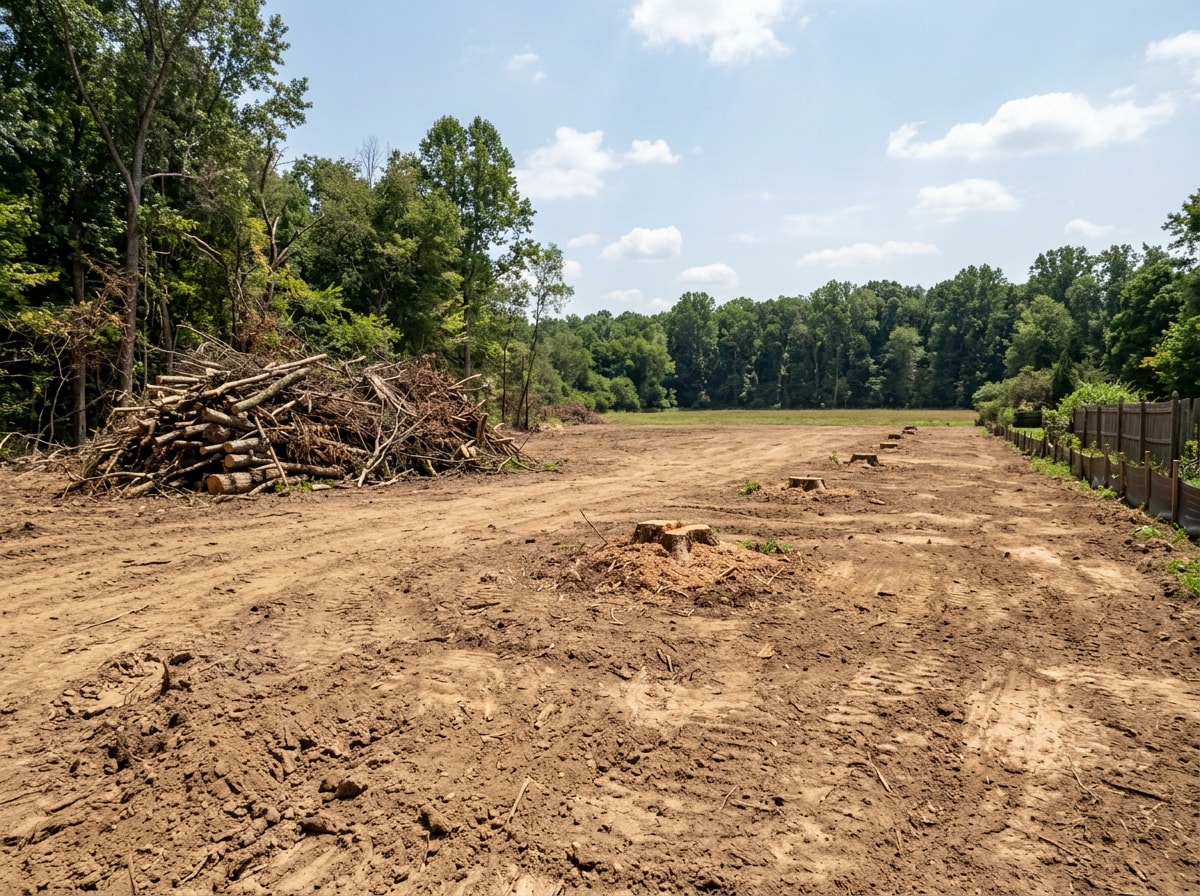
Land clearing removes trees, stumps, brush, and root systems so the ground is ready for construction or grading. It's the broadest of these services.
Narrower jobs like brush removal or vegetation removal are usually smaller pieces of a full land clearing scope, not substitutes for it. That's worth knowing before you compare quotes, since a "brush removal" bid and a "land clearing" bid may not cover the same work. If stumps and roots are the main obstacle rather than standing trees, our root removal service handles that piece on its own.
Lot Clearing
Lot clearing targets a specific parcel, removing trees, brush, and debris before development begins. Residential lot clearing tends to be smaller and faster, often for a single home site. Commercial lot clearing covers larger footprints and usually involves more equipment and longer timelines.
Brush Removal
Brush removal clears dense growth from residential or vacant properties, pulling invasive species out by root and stem to cut down on regrowth. It also opens up access for construction crews and equipment.
Left unmanaged, dense brush and heavy woody growth carry a documented downside: a USDA brush management standard lists a "Higher risk of soil erosion" among the consequences of letting woody encroachment go unchecked. Clearing it the right way, with attention to slope and groundcover, avoids trading one problem for another.
Vegetation Removal
Vegetation removal addresses overgrown land that no longer meets local planning requirements for a buildable or sellable lot. Clearing dense growth can also change how water moves across a site, so it's worth planning site preparation and grading alongside it rather than treating the two as separate steps.
Local Factors: Escarpment Geology and Clarence Soil
Work in this town generally falls into three groups: new homes and additions on larger lots, tear-downs ahead of a rebuild, and ongoing drainage management on land that doesn't drain well on its own.
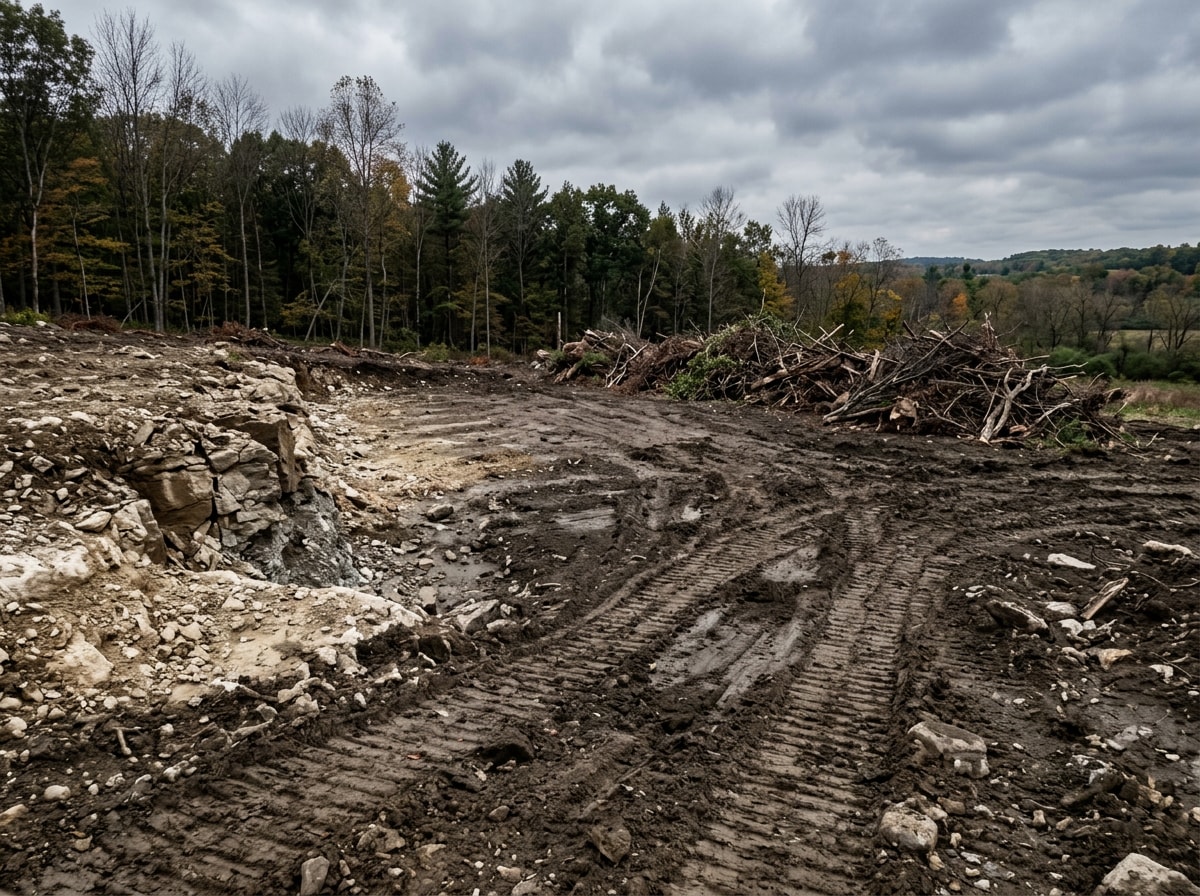
One local factor shapes almost every project here: the Onondaga Escarpment. South of it, bedrock sits close to the surface. North of it, old glacial lake-bed clay dominates. That split affects grading, drainage, and which clearing method actually makes sense for a given lot, which is why a cookie-cutter approach from an out-of-town crew often misses the mark.
See coverage details for your specific property on our Clarence service area page.
Clarence Permits, Grading Plans, and Demolition Rules
Permits for construction, additions, pools, sheds, and demolition in Clarence run through the Town of Clarence Building Department. The Town's own code gives a specific, narrow definition of what triggers a permit: Chapter 79 defines clearing as "the removal of brush and trees over four inches in diameter measured at four feet above ground level, and includes the stripping of soil."
The bigger issue for most projects isn't the tree size threshold, it's sequencing. The Town's own construction guidance is direct on this point: there is "No lot clearing or filling until complete application for Building Permit is filed in our office." That application has to include a grading and drainage plan, soil boring results, stamped building plans, and driveway culvert approval before anything is reviewed.
In practice, that means:
- File the complete building permit application first.
- Get the grading and drainage plan approved.
- Only then clear, fill, or grade the site.
Demolition has its own carve-out. Per the Town's Building Department, "All structures will require a permit to be demolished with the exception of detached residential structures and buildings previously used for agricultural purposes." That exemption covers the Town permit only. It doesn't excuse you from capping utilities properly or confirming the structure actually qualifies, so a quick call to the Building Department before you plan around it is worth the five minutes.
What to Look for in a Ground Clearing Contractor
When you're comparing quotes, vet contractors on four things: budget fit, safety compliance, crew qualifications, and cleanup standards. Here's what each should mean in practice.
A Scope That Fits Your Budget
Scope can be tailored to your property and budget. Mulching in place instead of full removal and haul-away, for example, often costs less. A free estimate should spell out those tradeoffs clearly before work starts, not after the invoice arrives.
Safety and Equipment Compliance
A compliant crew carries proper insurance, operates equipment safely, and protects surrounding structures and soil during the job. Federal rules for logging and heavy land-clearing equipment are not optional guidelines, they're enforceable standards: OSHA's logging operations rule establishes safety practices, means, methods and operations for all types of logging, regardless of the end use of the wood . That's a reasonable benchmark to ask any contractor about directly before they bring a chainsaw or mulcher onto your property.
Certified, Experienced Crews
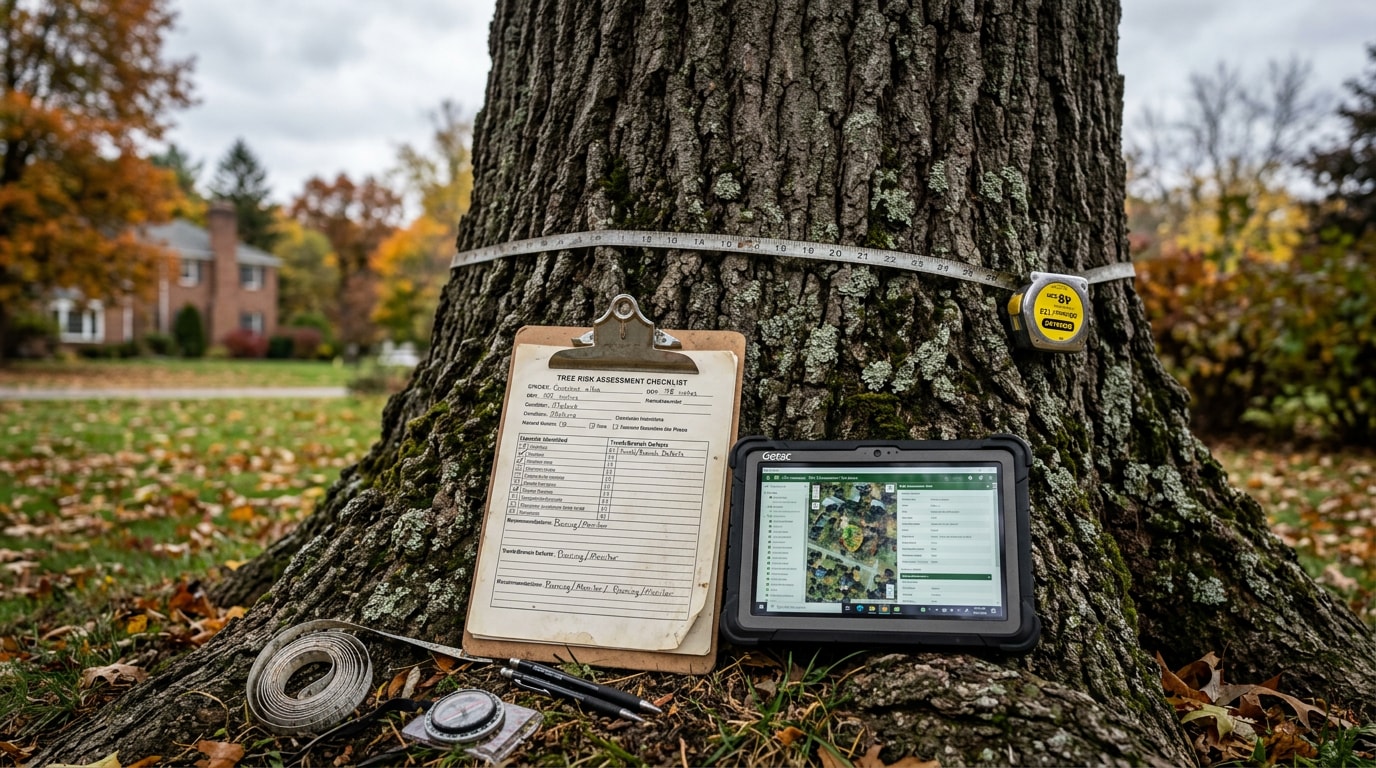
Ask whether the crew includes certified arborists and experienced equipment operators, and request proof before signing anything. Skilled operators reduce the odds of damage to neighboring trees, utilities, or structures, especially on tight residential lots where there's little margin for error.
A Clean Site When They Leave
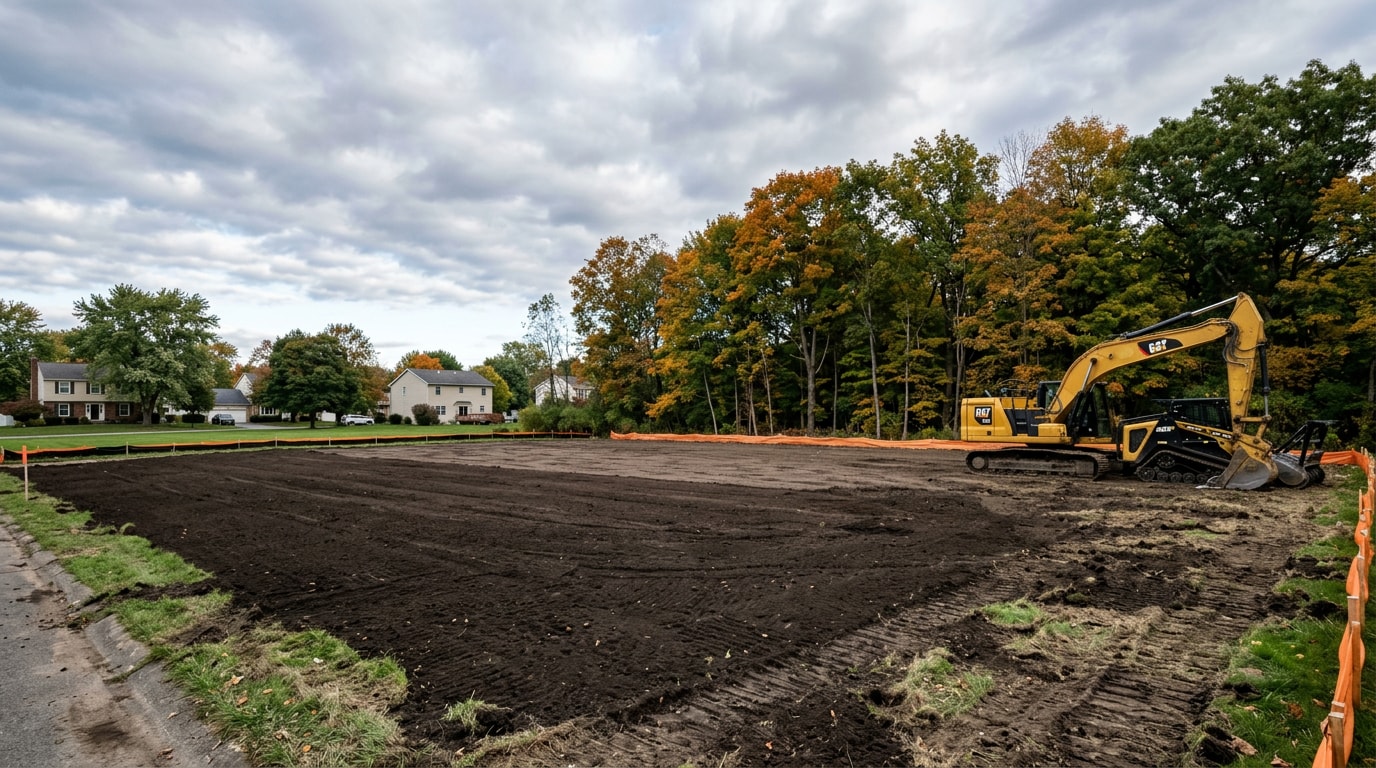
A finished site should be free of debris and ready for landscaping or construction to start right away. No leftover piles, no loose brush, no scattered root balls waiting to snag a grader blade.
Ground Clearing Cost in Clarence, NY
Pricing varies by vegetation density, site access, and whether debris is hauled away or mulched in place. These are general ranges, not a quote; your actual number depends on the specifics of your lot.
| Project Type | Typical Cost Per Acre |
|---|---|
| Light brush, open land | $1,500 – $3,000 |
| Moderate brush and small trees | $3,000 – $5,000 |
| Heavy timber, dense trees, stump removal | $5,000 – $8,000+ |
Forestry mulching is often cheaper than full removal because it processes material on-site instead of hauling it away. For an accurate number tied to your actual lot, request a free estimate.
If stump removal specifically is the bottleneck on your property rather than full clearing, our Clarence stump grinding guide walks through that process, cost range, and safety steps in detail.
FAQ
What types of land are suitable for ground clearing services?
Vacant lots, development sites, and parcels needing site preparation for new construction can all be cleared. Lot size and terrain mostly affect timeline and equipment, not whether clearing is possible.
What equipment is used for ground clearing in Clarence?
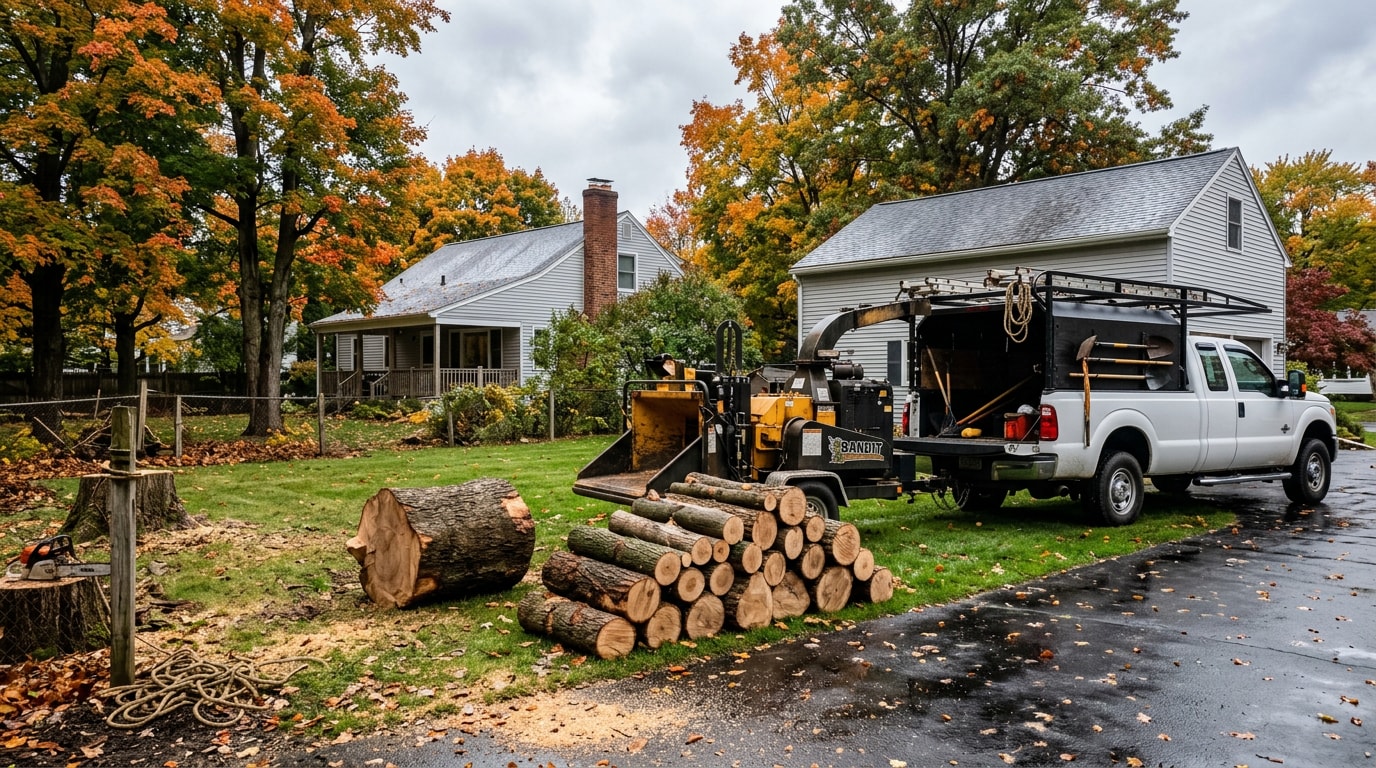
Crews typically use skid steers, excavators, chainsaws, and forestry mulchers to clear trees, brush, and debris. Mulching equipment is common on Clarence sites because it processes material on-site instead of requiring separate hauling.
Do I need a permit for ground clearing in Clarence, NY?
In most cases, yes. Clarence requires a complete building permit application, including a grading and drainage plan, before any clearing or filling begins. Requirements vary by project type and lot status, so check the permit section above or call the Building Department directly for your specific case.
Will the crew haul away all the debris?
A reputable crew should leave the site free of brush piles, root balls, and loose debris. Confirm in writing whether debris is hauled off-site or mulched in place, since that choice affects both cost and timeline.
How much does ground clearing cost per acre?
Costs generally run $1,500 to $8,000+ per acre depending on vegetation density and whether debris is removed or mulched. A site-specific free estimate gives you the most accurate number for your property.
How long does a typical ground clearing project take?
A small residential lot with light brush can often be cleared in a day or two. Larger parcels with dense trees, stumps, and heavy debris hauling can take a week or more, especially if grading and drainage work follow immediately after.
Ready to get your Clarence property moving toward a build-ready lot? Request a free estimate and we'll walk the site, flag anything the Town will want to see on your grading plan, and give you a scope that matches your budget.