A tree surgeon in Buffalo, NY is a trained tree care professional who climbs, cuts, prunes, and sometimes removes trees to keep people and property safe. The job title sounds medical, but there's no operating table involved, just rigging, chainsaws, and a working knowledge of how a tree fails before it falls. If you've got a leaning maple or a storm-cracked oak in the yard, knowing what this role actually covers is the first step to hiring the right crew.
Arborist vs. Tree Surgeon: What's the Real Difference?
People in Western New York use "arborist" and "tree surgeon" interchangeably, and most of the time that's close enough. The distinction that actually matters is credential-based, not job-title-based.
The ISA Certified Arborist program is accredited by the ANSI National Accreditation Board for meeting or exceeding ISO 17024 standards for certification bodies , which is what turns "arborist" into a verifiable title rather than a job description. "Tree surgeon" has no equivalent certifying body. It's a traditional, informal name for someone who does hands-on tree work, climbing, cutting, cabling, removal, regardless of whether they hold a credential.
| Arborist (credentialed) | Tree Surgeon (job title) | |
|---|---|---|
| Regulated title? | Yes, through ISA certification | No, open use |
| Typical focus | Tree biology, diagnosis, long-term care plans | Hands-on cutting, climbing, removal |
| How to verify | Certification number, exam record | No formal verification exists |
| Common in Buffalo listings | Used by larger, certified companies | Used loosely by nearly everyone in the trade |
In practice, most working tree crews in Buffalo, Amherst, and Clarence carry both skill sets. The safest move as a homeowner is to ask directly: "Is your climber ISA certified?" rather than relying on which word is printed on the truck.
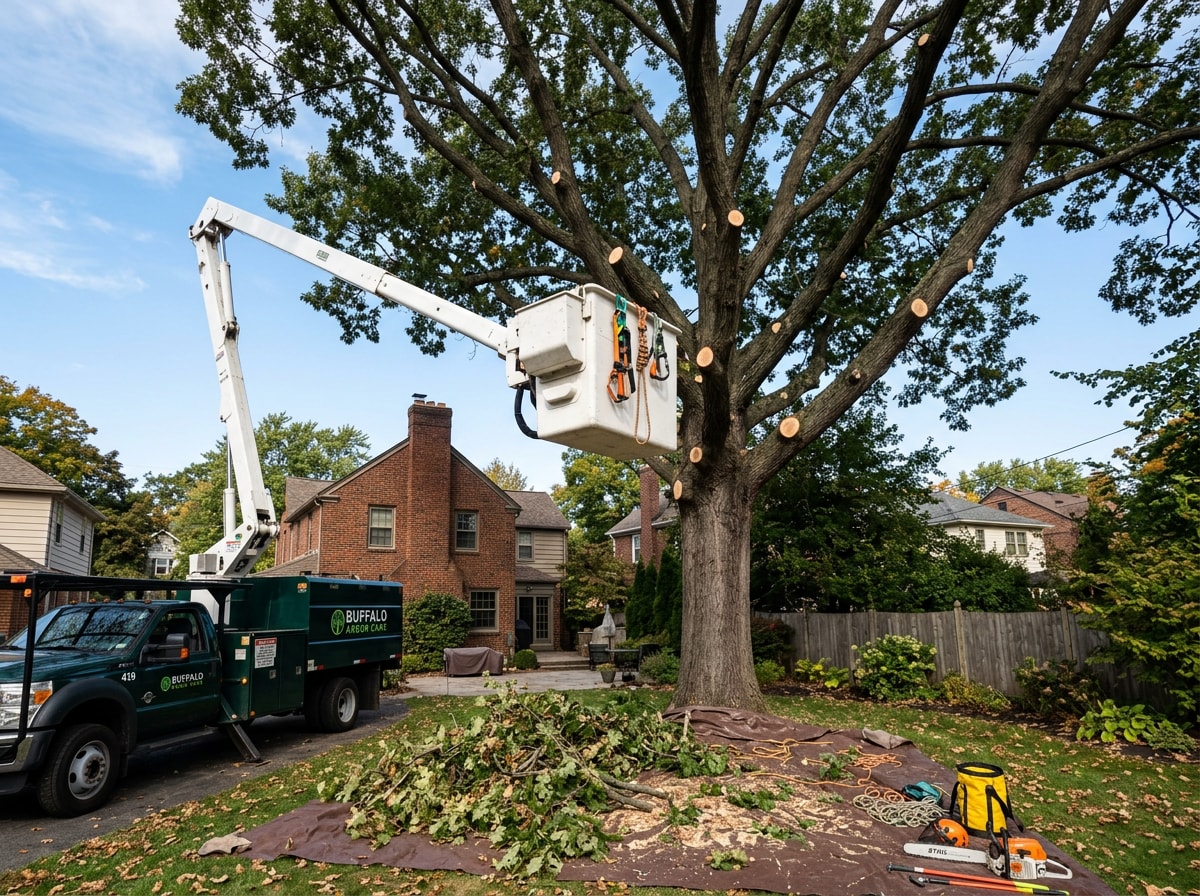
What a Tree Surgeon Actually Does in Buffalo, NY
The job covers more than swinging a chainsaw at whatever's overhanging the driveway. Day to day, the work splits into three categories.
Tree Removal
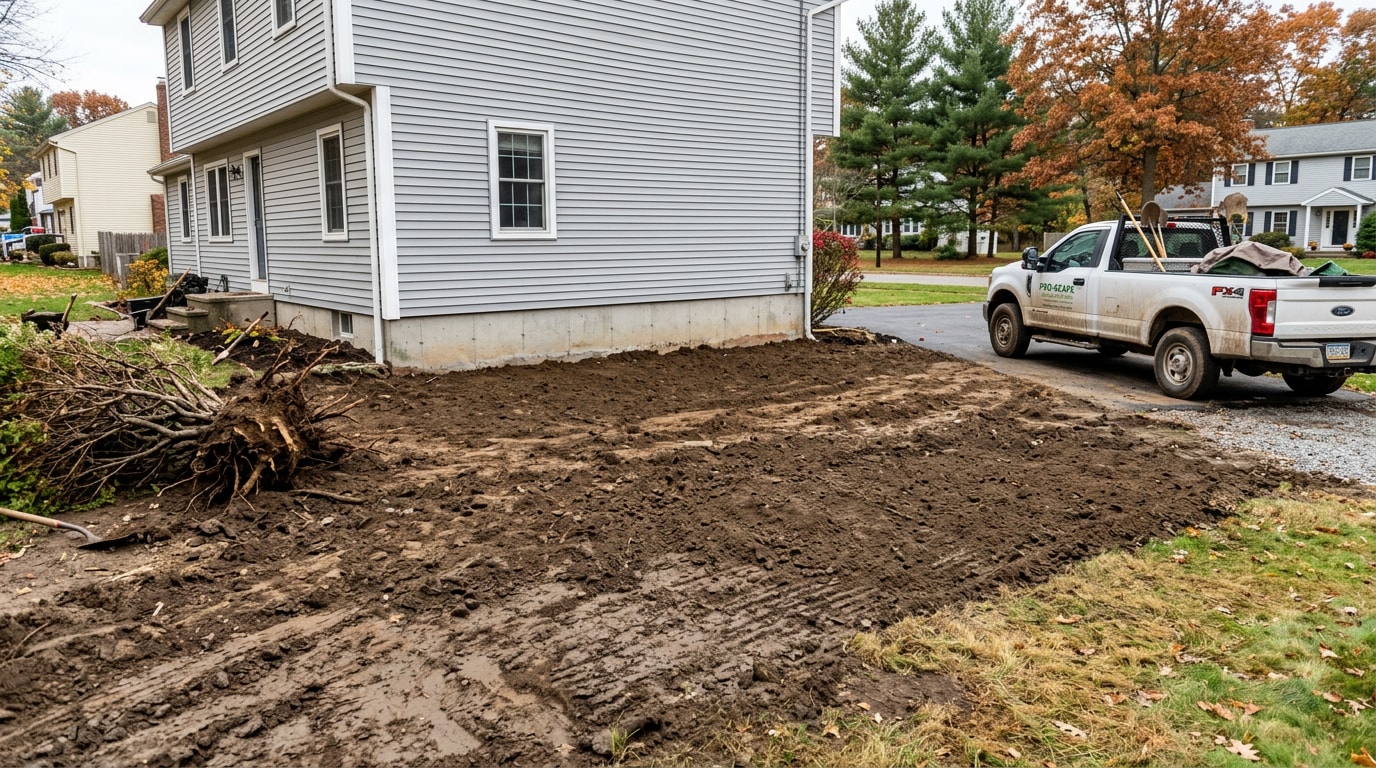
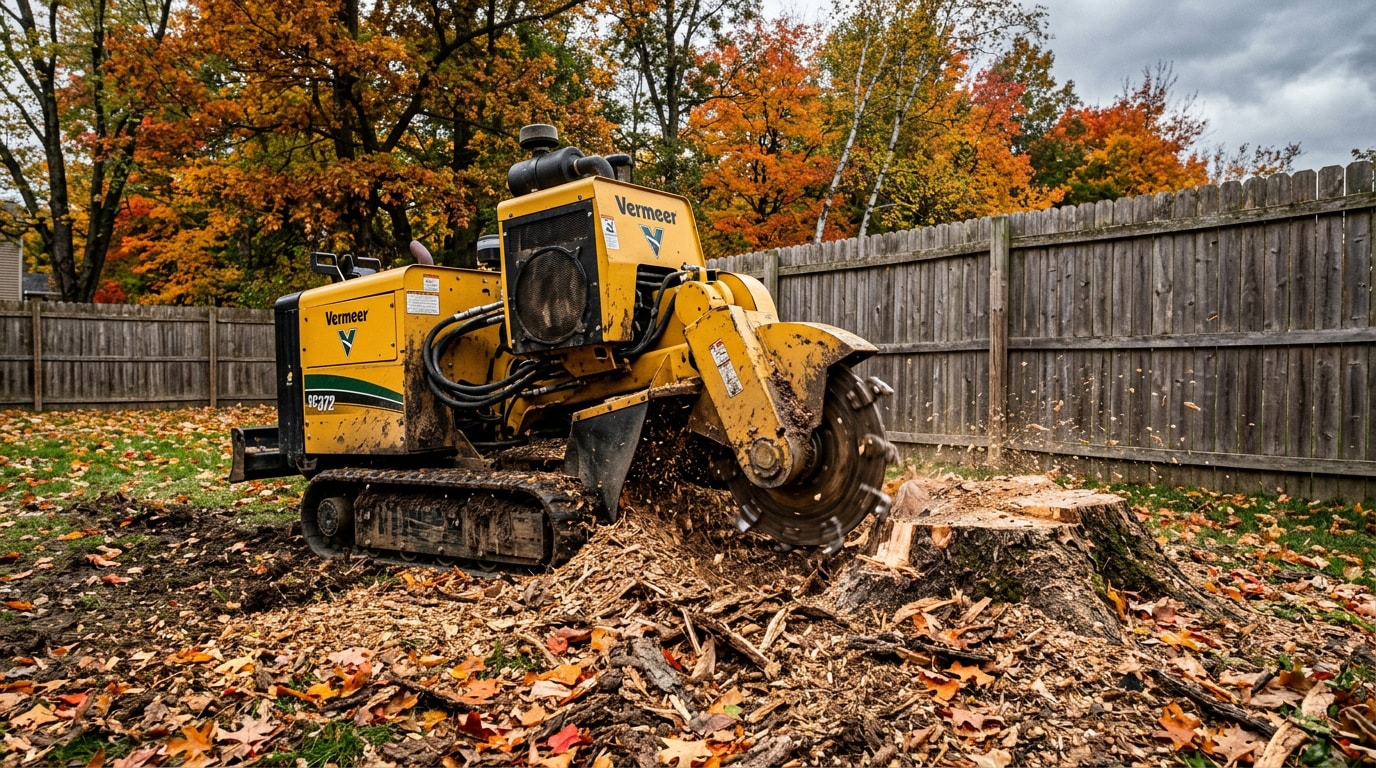
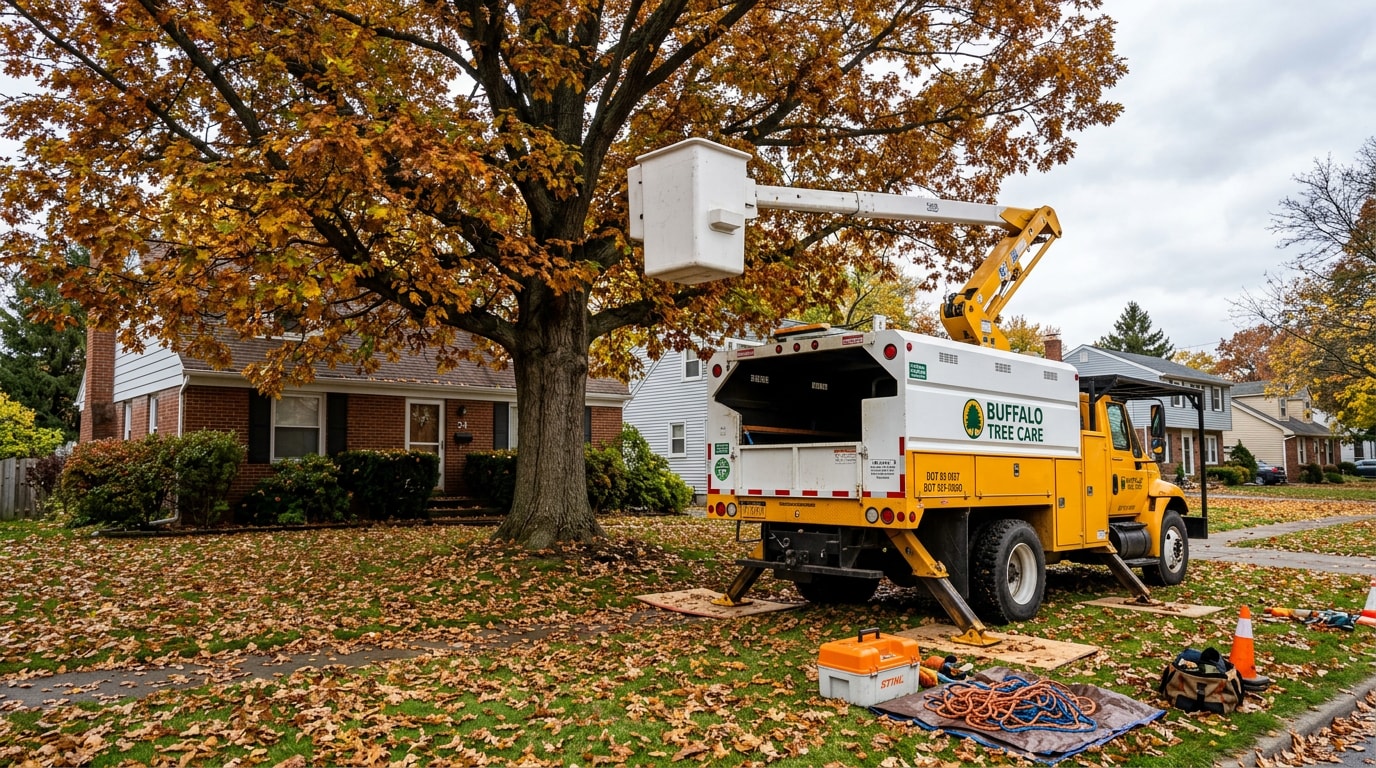
Removal becomes necessary when a tree is dead, diseased, structurally compromised, or sitting too close to a structure or power line to safely keep. Felling a hazardous tree requires rigging, directional cutting, and sometimes a crane, not just a saw and good intentions. Our tree removal crews treat every job near a house or fence line as a precision operation, not a demolition.
Tree Pruning and Trimming
Pruning and trimming aren't cosmetic extras. A technique like crown reduction removes selected limbs to ease wind load and storm stress, which matters a lot in a region that gets hammered by lake-effect snow. Cuts follow the tree's natural branch collar instead of being hacked wherever's convenient. See our tree trimming and tree pruning pages for how we scope that work.
Tree Health Assessment and Disease Diagnosis
Before recommending removal or treatment, a tree surgeon checks bark, canopy density, and root flare for pests or decline. Catching a problem early, before 50% of the canopy is gone, is often the difference between saving a tree and scheduling its removal.
Skills and Qualifications to Actually Look For
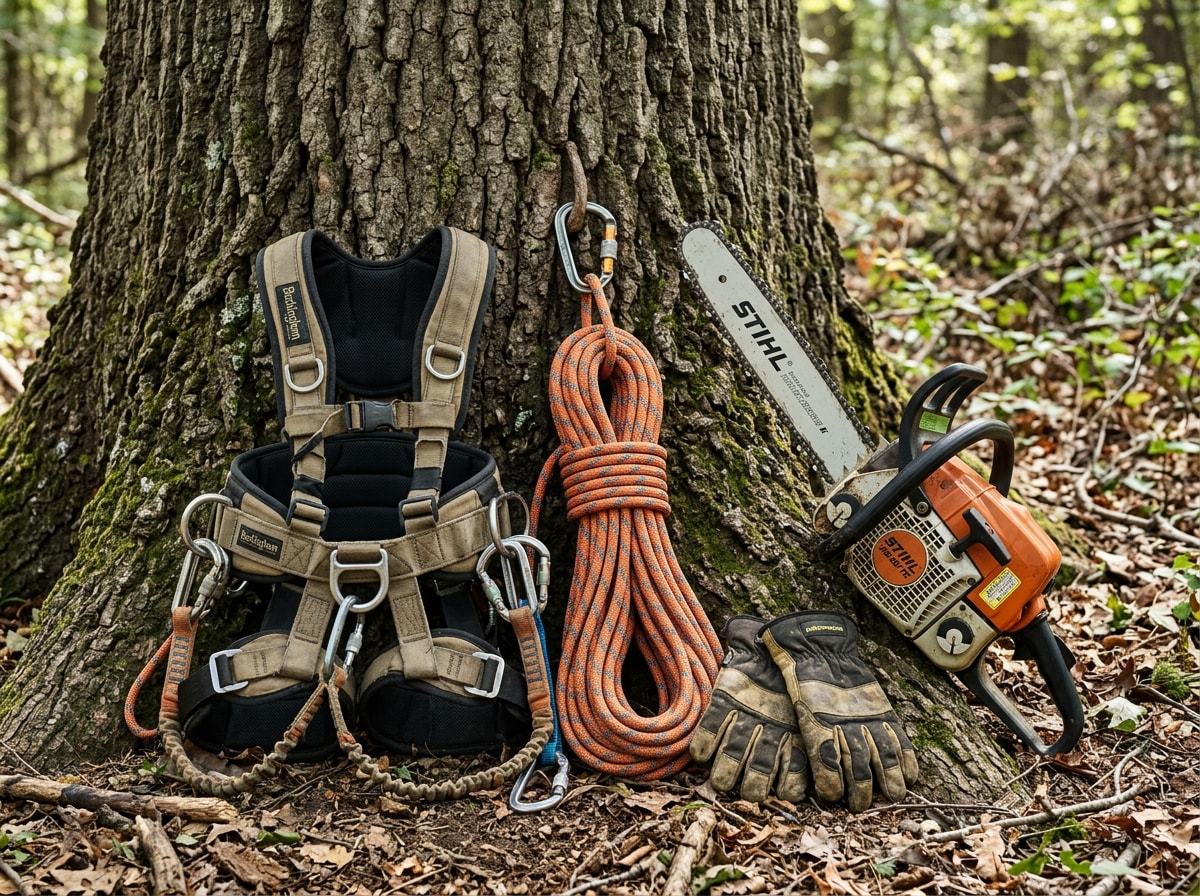
A qualified tree surgeon combines physical skill with technical knowledge: comfort working at height, proficiency with rigging and chainsaws, and a working understanding of tree biology and regional species. Most people enter the trade through apprenticeships rather than a single licensing exam, because "tree surgeon" isn't a state-regulated title anywhere in the U.S.
That's exactly why credentials matter more than the job title on a business card. Beyond ISA certification, the industry also runs on ANSI A300 standards, the voluntary technical benchmarks for how pruning, cabling, and removal should be performed. These are voluntary industry consensus standards written by a committee whose mission is to develop consensus performance standards based on current research and sound practice for managing trees, shrubs, and other woody plants . A crew that follows A300 practice is cutting to a documented standard, not guessing.
Safety training matters just as much as horticultural knowledge. Tree care workers are generally exposed to falling from trees, being struck by falling trees or branches, injury from chainsaw or woodchipper operation, and exposure to energized power lines , according to OSHA's tree care hazard overview. That's not a reason to avoid tree work, it's the reason to hire crews who train for it instead of winging it.
When Buffalo Homeowners Actually Need to Call One
Western New York's climate creates its own warning signs. Lake-effect snow loads and sudden ice events are a routine cause of branch failure every winter, and the region is still dealing with the aftermath of an invasive pest that's reshaped the local tree canopy.
The emerald ash borer was confirmed inside the City of Buffalo in 2011 , and with more than 900 million ash trees in New York State, approximately 7% of the state's total tree population, the impact has been severe . A dead ash tree becomes brittle fast and can start dropping limbs or whole sections within a couple of years of infestation, which is part of why the NYS DEC tracks emerald ash borer activity as an ongoing forestry issue rather than a closed case.
Combine that with overgrown limbs near power lines, visible leaning, trunk cracks, or a canopy that's thinning on one side, and you've got the classic triggers that send Buffalo homeowners searching for help. If a tree has already come down or looks like it's about to, our emergency tree removal and hazardous tree removal teams respond directly. We cover the full tree service category for anything short of an emergency, and you can see our related breakdown in Tree and Limb Removal in Buffalo, NY: What to Know Before You Hire if you're trying to figure out whether your situation needs a removal or just a trim.
Why Hire a Professional Instead of DIY
DIY tree work carries real risk. Falls from height, chainsaw kickback, and misjudged drop zones are common causes of injury when untrained homeowners attempt removal or heavy pruning themselves.
The nationwide fatal work injury rate was 3.3 fatalities per 100,000 full-time equivalent workers in 2024 , according to the Bureau of Labor Statistics, and tree work sits well above that baseline because of the combination of height, power tools, and falling material described in OSHA's hazard guidance. A licensed, insured tree service carries training, proper rigging equipment, and liability coverage that protects both the crew and your home if something goes wrong mid-job.
Over six years of working storm calls and routine maintenance across Clarence, Buffalo, Amherst, and the surrounding towns, the pattern we see most often isn't the dramatic storm-snapped tree, it's the slow-leaning silver maple that homeowners "kept an eye on" for two seasons before the root plate finally gave. Professional inspection catches that stage long before it becomes an emergency call.
Beyond safety, professional pruning and removal protect long-term property value and reduce liability if a dead limb damages a neighbor's fence or a parked car. Start with our homepage to see our full service area, or go straight to Get a Free Estimate if you already know what you're dealing with.
FAQ
What does a tree surgeon do?
A tree surgeon handles the physical care of trees: pruning, removing hazardous limbs, felling dead or dangerous trees, and treating pest or disease problems to keep trees structurally sound.
Is a tree surgeon the same as an arborist?
Mostly interchangeable in everyday use, but not identical on paper. "Arborist" can be a verified, certified title through the ISA. "Tree surgeon" is a traditional job description with no certifying body behind it.
Is tree surgery dangerous?
Yes. Climbing, chainsaw operation, and work near power lines make tree care one of the higher-hazard trades, which is why tree care companies providing services such as pruning, removal, cabling and bracing, and related work are expected to follow OSHA safety guidance and train crews specifically for those risks.
How much does a tree surgeon cost in Buffalo, NY?
Costs vary by tree size, condition, accessibility, and job type. Routine pruning costs far less than a hazardous full removal near a structure or power line. A site-specific quote from Contact us is the only reliable way to get your actual price.
How often should I have my trees inspected?
There's no single fixed rule, but an annual check-up plus an extra inspection after major storms or ice events is a reasonable baseline for most Western New York properties. If you're in Buffalo, NY and dealing with ash trees specifically, inspect more often given the ongoing emerald ash borer activity in the area.
Do tree surgeons need a license in New York State?
There's no general state license required to perform tree work in New York. Pesticide application for tree treatments does require a separate state-issued applicator license, so if a company is recommending chemical treatment, it's fair to ask whether that technician holds one.