
When and How Often Should You Trim Your Trees?
Tree trimming is more than just an aesthetic choice for homeowners and property managers—it is an essential component of maintaining healthy, vibrant, and sustainable landscapes. Properly trimmed trees not only enhance the beauty and appeal of your outdoor space but also play a crucial role in ensuring the safety, structural integrity, and long-term longevity of your property. Dead, weak, or overgrown branches can pose serious risks, from falling hazards to obstructed pathways, while dense foliage may inhibit air circulation, making trees more susceptible to disease, fungal infections, and pest infestations. Understanding when and how often to trim your trees is fundamental to effective landscape management, especially for properties with a mix of mature, young, and newly planted trees that each require specialized care.
Beyond safety and aesthetics, tree trimming has significant environmental, ecological, and economic implications. Well-maintained trees promote better sunlight penetration and airflow, which supports the overall health of surrounding plants, lawns, and garden ecosystems. Timely trimming can prevent costly structural damage to your property by mitigating risks associated with falling limbs, overgrowth, or weakened branches. Moreover, regular and strategic maintenance encourages strong growth patterns, reduces the likelihood of disease and pest invasion, and can even improve fruit production and flowering for certain tree species. In this blog, we will explore the best practices for tree trimming, the optimal times to prune various species, and how to establish a structured maintenance schedule that promotes both safety and long-term tree health.
Understanding the Importance of Tree Trimming
Safety and Structural Integrity
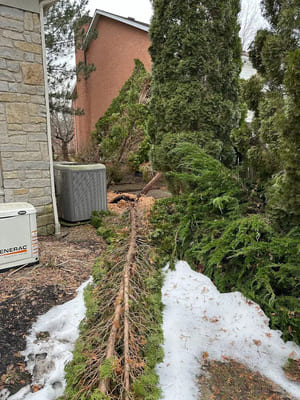
One of the primary reasons for tree trimming is safety. Overgrown branches can interfere with power lines, structures, and pedestrian pathways. In storm-prone areas, weak or dead limbs are more likely to break, potentially causing injury or property damage. By routinely removing hazardous branches, property owners reduce the risk of accidents while enhancing the structural stability of the tree.
Promoting Tree Health
Trimming is not solely about removing unsightly branches. It is a vital horticultural practice that encourages healthy growth. Dead, diseased, or insect-infested limbs can weaken trees if left untreated. Proper pruning eliminates these threats, allowing trees to focus their energy on healthy growth. For example, trimming a maple tree in early spring before sap flow begins can prevent disease spread and promote robust leaf development.
Enhancing Aesthetics and Property Value
Well-maintained trees contribute significantly to curb appeal. Overgrown or poorly shaped trees can make a property appear neglected, whereas properly pruned trees create a visually appealing, well-organized landscape. Aesthetic maintenance also increases property value, which is particularly relevant for homeowners considering resale or rental.
When to Trim Your Trees
Seasonal Considerations
The timing of tree trimming depends largely on the species and desired outcome. For most deciduous trees, late winter to early spring is ideal because trees are dormant, minimizing sap loss and stress. Trimming at this time encourages vigorous spring growth and reduces the risk of infection. For flowering trees, timing should align with their bloom cycle. For instance, trimming spring-blooming trees immediately after flowering prevents cutting off buds that will produce the next season’s flowers.
Tree Type and Growth Patterns
Different trees require distinct pruning schedules. Fast-growing species such as silver maple or poplar may need more frequent trimming—sometimes annually—to maintain shape and remove weak limbs. In contrast, slower-growing trees like oak or dogwood often require less frequent pruning, typically every 2–3 years, depending on their health and growth habits. Recognizing growth patterns is essential for scheduling maintenance without over-pruning, which can stress the tree and make it more vulnerable to disease.
Indicators for Immediate Trimming
Certain signs indicate that a tree requires immediate attention, regardless of the season. These include broken or hanging branches, signs of disease or infestation, and branches that interfere with utilities, buildings, or walkways. Prompt action prevents further damage and maintains a safe environment for residents and visitors.
How Often Should Trees Be Trimmed
Routine Maintenance
For most residential trees, routine trimming every 1–3 years is sufficient. Young trees benefit from more frequent, light pruning to establish a strong framework, while mature trees require less frequent but more strategic pruning to maintain health and shape. Regular maintenance prevents overgrowth and minimizes the need for drastic corrective pruning, which can stress the tree and be costly.
Specialized Pruning Needs
Some trees have specific trimming requirements based on growth habit or purpose. Fruit trees, for example, require annual pruning to maximize yield, improve sunlight penetration, and reduce disease. Similarly, ornamental trees may need more frequent attention to maintain a particular shape or design. Understanding the unique needs of each tree type ensures proper care and long-term vitality.
Environmental and Site Factors
Local climate and environmental conditions also influence pruning frequency. Trees in windy areas or regions with heavy snowfall may require more frequent inspections and trimming to remove weak or damaged branches. Urban trees often face space constraints and may need additional trimming to prevent interference with sidewalks, streets, or nearby buildings.
Best Practices for Effective Tree Trimming
Use Proper Tools and Techniques
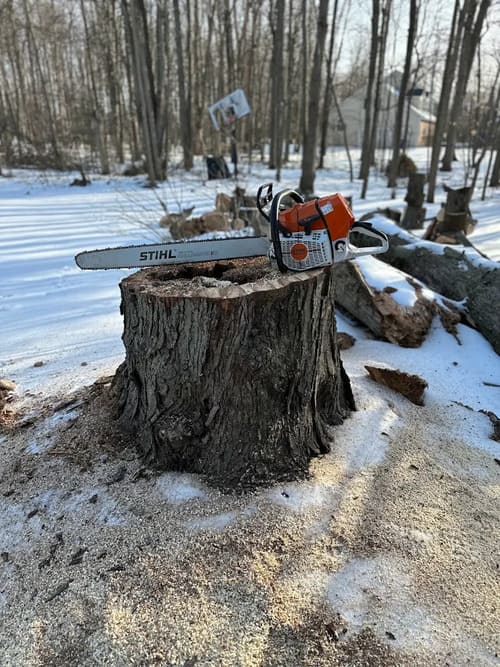
Using the right tools is essential for clean, precise cuts that promote healing and prevent damage. Hand pruners, loppers, and pruning saws should be sharp and clean. For larger branches, professional chainsaws or pole pruners may be necessary. Always cut at the branch collar rather than flush with the trunk, as this helps the tree heal faster and reduces the risk of disease.
Avoid Over-Pruning
Excessive trimming can harm a tree more than neglect. Removing more than 25–30% of a tree’s canopy in a single season can stress the tree, reduce photosynthesis, and increase susceptibility to pests and disease. Strategic pruning focuses on removing only what is necessary to promote health, safety, and aesthetics.
Maintain a Clear Pruning Plan
Before trimming, assess the tree’s overall structure, growth pattern, and location relative to surrounding structures. Identify branches that are dead, diseased, crossing, or interfering with human activity. A clear plan ensures efficient trimming, minimizes unnecessary cuts, and maintains the tree’s natural shape.
Hire Professionals When Necessary
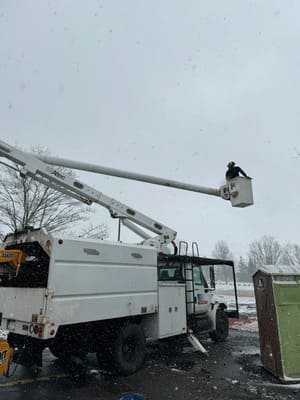
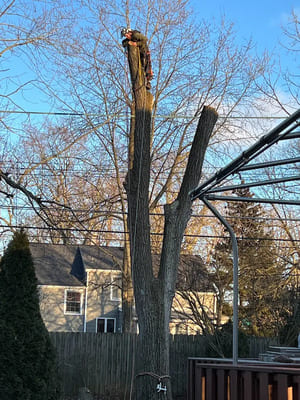
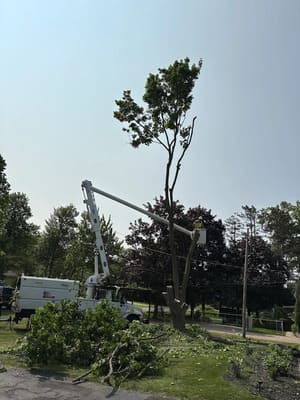
While small-scale trimming can be done by homeowners, professional arborists are essential for large trees or complex situations. Certified tree care specialists have the knowledge, equipment, and experience to safely manage high-risk pruning, address disease, and provide long-term care recommendations. Attempting large cuts without expertise can result in injury or irreversible tree damage.
Challenges and Risks in Tree Trimming
Common Mistakes
Improper trimming techniques are a significant risk. Common mistakes include topping (removing the top of a tree indiscriminately), cutting too close to the trunk, or leaving stub cuts. These practices can weaken the tree, create entry points for pests, and compromise structural integrity.
Dealing with Disease and Pests
Trimming can expose trees to pathogens if not done correctly. Tools should be disinfected between cuts, especially when dealing with diseased branches. Understanding the signs of infection—such as discoloration, oozing sap, or fungal growth—helps property owners know when professional intervention is necessary.
Weather and Seasonal Hazards
Weather can complicate trimming schedules. Heavy rain, ice, or strong winds increase the risk of injury and make branches more difficult to cut cleanly. Always prioritize safety and avoid trimming during adverse conditions. For certain trees, such as maples or birches, trimming during high sap flow periods may cause stress or excessive bleeding, affecting overall health.
Maximizing the Benefits of Tree Trimming
Encouraging Healthy Growth
Strategic trimming directs growth away from weak or overcrowded areas. By selectively removing branches, trees can allocate energy to the healthiest limbs, resulting in a stronger, more resilient structure. Over time, this practice enhances canopy shape, sunlight exposure, and overall vitality.
Increasing Longevity and Reducing Costs
Regular tree trimming reduces the likelihood of disease, infestation, and storm-related damage. Healthy, well-maintained trees live longer and require less corrective work, ultimately saving homeowners and property managers significant costs associated with tree replacement or emergency removal.
Enhancing Environmental and Community Value
Beyond individual property benefits, properly maintained trees contribute to a healthier ecosystem. They improve air quality, reduce urban heat, provide shade, and create habitats for birds and beneficial insects. In neighborhoods and urban settings, well-trimmed trees improve community aesthetics and safety, demonstrating responsible stewardship of natural resources.
Ensuring Tree Longevity Through Regular Maintenance Practices
Tree trimming is a critical aspect of landscape maintenance that impacts safety, health, aesthetics, and property value. Understanding the optimal timing, frequency, and methods for pruning different species allows homeowners and property managers to cultivate vibrant, resilient trees. By avoiding common mistakes, recognizing indicators for immediate attention, and balancing DIY efforts with professional care, property owners can ensure their trees remain healthy and structurally sound.
For reliable, expert tree care, 1776 Tree Service in East Aurora, Erie County, New York, offers two decades of professional experience in tree trimming and maintenance. With a commitment to safety, precision, and long-term tree health, our team provides tailored solutions for both residential and commercial properties. We prioritize proactive care, using industry-standard techniques and tools to preserve the natural beauty and strength of your trees. Trust 1776 Tree Service to enhance your landscape, protect your property, and promote a thriving outdoor environment with professionalism and expertise.